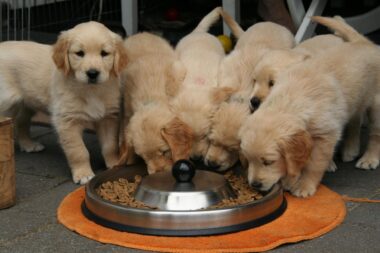

The Role of Protein in Puppy Development
Puppies undergo a remarkable transformation during their early months, and the right nutrition is critical. Among the essential nutrients, protein plays a pivotal role in supporting their growth and development. Protein is fundamental for building and repairing tissues, including muscles, skin, and organs. For puppies, their bodies are rapidly changing, necessitating a higher protein intake compared to adult dogs. Experts recommend that around 22-32% of a puppy’s diet should consist of protein. Sources of high-quality protein include chicken, beef, fish, and eggs. Incorporating these proteins into their diet ensures they receive the vital amino acids necessary for optimal development. It’s also crucial to choose age-appropriate puppy food that meets these protein requirements. Additionally, observing your puppy’s energy levels and overall health will help you understand if their diet is meeting their needs. Over time, this attention to their nutritional needs will support a longer, healthier life, promoting a strong and vibrant puppy. As you prepare their meals, remember to adjust based on their specific needs and consult with a veterinarian to ensure the right balance.
The timing and frequency of feeding puppies are also vital considerations when nurturing their growth. Puppies have small stomachs but high energy demands, so feeding them smaller, more frequent meals is necessary. Typically, offering three to four meals a day ensures adequate nutrition is provided. Spreading out their feeding schedule helps maintain steady energy levels throughout the day. Additionally, this practice can aid in preventing bloating and support healthy digestion. As your pup grows older, you can gradually reduce the frequency to two meals per day, ensuring they are comfortable with the portion sizes. Alongside their protein intake, ensuring the inclusion of healthy fats, fiber, and carbohydrates balances their diet. Ingredients like sweet potatoes, peas, and brown rice can contribute important vitamins and minerals. Always keep fresh water available to encourage proper hydration, especially after meals and playtime. Remember, puppies also learn important behaviors during feeding times, so using meal times for training and bonding strengthens your relationship. Consistency in feeding schedules will also teach your puppy to expect meals at certain times.
Understanding Protein Sources
Choosing the right protein sources for your puppy’s diet can significantly impact their overall health. Meat-based proteins, such as chicken, lamb, and fish, typically provide complete amino acids that puppies require for growth. These animal-based proteins are easier for puppies to digest and absorb, offering efficient nutritional value. Alternatives like plant proteins, such as peas or lentils, can also serve as supplementary protein sources. However, it’s important to ensure these do not replace animal proteins completely, as they do not provide all essential amino acids in the right balance. Any changes to your puppy’s diet should be made gradually to avoid digestive issues, ensuring their transition to new protein sources is smooth and manageable. When selecting commercial puppy food, check for ingredients that specify high-quality protein sources, avoiding those with fillers or by-products. It’s imperative to avoid any foods dangerous for dogs, including certain nuts, grapes, and chocolate, to prevent toxicity. Reading labels and understanding nutritional values helps you make informed choices. Consulting your veterinarian helps to tailor a diet that suits your puppy’s individual needs, promoting their healthy growth.
In addition to protein, it’s vital to monitor and adjust your puppy’s food as they transition from puppyhood to adulthood. Puppies grow quickly, and their dietary needs change accordingly. A higher protein content is essential during this initial growth phase, but as they reach maturity, their protein requirements may decrease. Monitoring their weight and growth rate ensures you’re providing an appropriate amount of food. Overweight puppies can face health issues, including joint problems and obesity later in life. Regular vet check-ups can help track growth and adjust nutrition as needed. An active breed may need more protein to sustain energy levels, while a less active breed might require less. Additionally, consider any allergies or sensitivities your puppy may have, which may affect food choices. Always consult your veterinarian when introducing new foods to your puppy’s diet, especially if you suspect allergies or intolerances. Understanding your puppy’s specific breed nutritional needs can also guide you in making the best dietary choices, giving your furry friend the healthiest start possible.
The Impact of Quality on Puppy Nutrition
The quality of the protein source can greatly influence your puppy’s growth and health. High-quality protein sources are rich in essential amino acids and free from fillers or artificial additives. Choosing dog food that lists a specific meat as the first ingredient usually indicates higher quality. Whole meats like chicken or lamb are ideal, whereas meat by-products should be avoided as they may lack the same nutritional value. Read ingredient labels carefully to ensure the presence of reputable protein sources. In addition to meats, consider foods with a variety of animal proteins for balanced nutrition. Fish proteins, for example, not only offer protein but also are rich in omega-3 fatty acids that promote healthy skin and coats. It’s beneficial to rotate protein sources occasionally, introducing your puppy to various tastes and nutrients. This variety helps prevent food boredom and encourages adventurous eating habits. Always keep your puppy’s taste preferences and dietary needs in mind while selecting foods. Remember, this foundational nutrition can have a long-lasting impact on their overall health throughout their entire life.
Training and socialization are key aspects of raising a healthy puppy. The feeding routine can be an excellent opportunity to reinforce positive behaviors. Using a portion of their daily food for training treats promotes good manners and encourages bonding. Start with basic commands such as ‘sit,’ ‘stay,’ and ‘come’ during meal times. Using meals creatively during training can make learning more enjoyable for your puppy. Additionally, socializing your puppy regularly exposes them to different environments and situations, helping them develop confidence. Alongside training, don’t forget to incorporate playtime and exercise into their daily routine. Active play sessions foster healthy physical and mental development while strengthening the bond between you and your puppy. A healthy, well-trained puppy is more likely to grow into a well-adjusted adult dog. Always praise and reward them, reinforcing positive experiences to build trust. This balanced approach to feeding, training, and socialization assists in raising a happy, healthy puppy.
Conclusion: Building a Strong Start for Your Puppy
In conclusion, proper nutrition, especially protein, plays an essential role in puppy development. The right protein sources ensure puppies receive necessary nutrients for growth, health, and energy. Training routines and feeding schedules enhance learning and bonding experiences, contributing to their overall well-being. Over time, observing your puppy’s specific needs allows you to fine-tune their diet and reinforce healthier habits. Remember to consult your veterinarian throughout these stages to ensure your puppy receives balanced nutrition tailored to their growth. By prioritizing their dietary needs and implementing a healthy feeding routine, you set the foundation for a happy and thriving adult dog. Investing in their nutrition now promises benefits that will serve your puppy for years to come. Careful monitoring and adjustments will ensure a smooth transition from puppyhood through adulthood. Each aspect of their diet influences their behavior and long-term health, so take these responsibilities seriously. With the right approach, you can nurture a vibrant puppy into a robust, loving companion.