
How to Safely Exercise Your Cat During Winter Months
Winter months can make it challenging for cats to stay active, as the cold weather often limits outdoor time. It’s essential to ensure your feline friend gets adequate exercise since inactivity can lead to health issues like obesity. One effective way to promote indoor exercise is by using engaging toys. Interactive toys keep your kitty entertained and stimulate their hunting instincts. Consider investing in laser pointers, feather wands, or puzzle toys to motivate them. Additionally, you can set up obstacle courses at home using household items, such as chairs and cushions. This encourages physical activity and provides mental stimulation that is vital for their well-being. Remember to supervise while your cat plays, making sure they are safe. Regular short bursts of play can be a great way to exercise without needing a lot of space. Create a routine to help your cat understand it’s playtime. Consistency will keep them active and healthy. Remember, the goal is to make exercise fun while ensuring your cat is safe within your home. Keeping their paws moving during winter months is not just about health; it also strengthens the bond between you.
Creating an Indoor Play Environment
Creating an indoor play environment for your cat during winter is vital. Start by decluttering your living space to provide a safe area for your cat to move around freely. This space should be designated for play and exploration. You can use various things to enhance their indoor experience. For example, boxes and tunnels can ignite curiosity and help your cat practice their natural hunting skills. Make sure to incorporate scratching posts and climbing trees to provide vertical exploration opportunities that mimic outdoor activities. Cats love to climb and observe, so placing perches near windows can give them a lookout point. Consider exploring various toys and rotational strategies; swapping toys weekly can reignite your cat’s interest. Also, hide treats around the house to encourage them to explore and be active, utilizing their sense of smell. By adapting your space creatively, your home can turn into an engaging playground that allows your cat to remain active and entertained. Reinforcing positive behaviors and playful interactions will make exercise enjoyable for both you and your feline companion.
Another approach to encourage winter exercise is to engage in structured play sessions with your cat. Designate specific times during the day for interactive play, ensuring consistency so your cat becomes accustomed to routine activity. Use a variety of toys to keep each session exciting—the goal is to find what your cat responds to best. Some cats enjoy pouncing on soft toys, while others prefer chasing strings and ribbons. The unpredictable nature of how these toys move can stimulate their instincts. When choosing interactive play options, start slowly and let your cat dictate the pace. Slow movements can be less intimidating and allow them to engage more fully. Remember to follow their lead to foster a trusting relationship. Ensure to provide praise or small treats during play for reinforcing their efforts. Keeping sessions short, around 15-20 minutes, can help to maintain their interest without overwhelming them. Following these guidelines can yield great results in ensuring your cat remains active even in the winter months, contributing to their overall fitness and emotional well-being.
Balancing Indoor and Outdoor Time
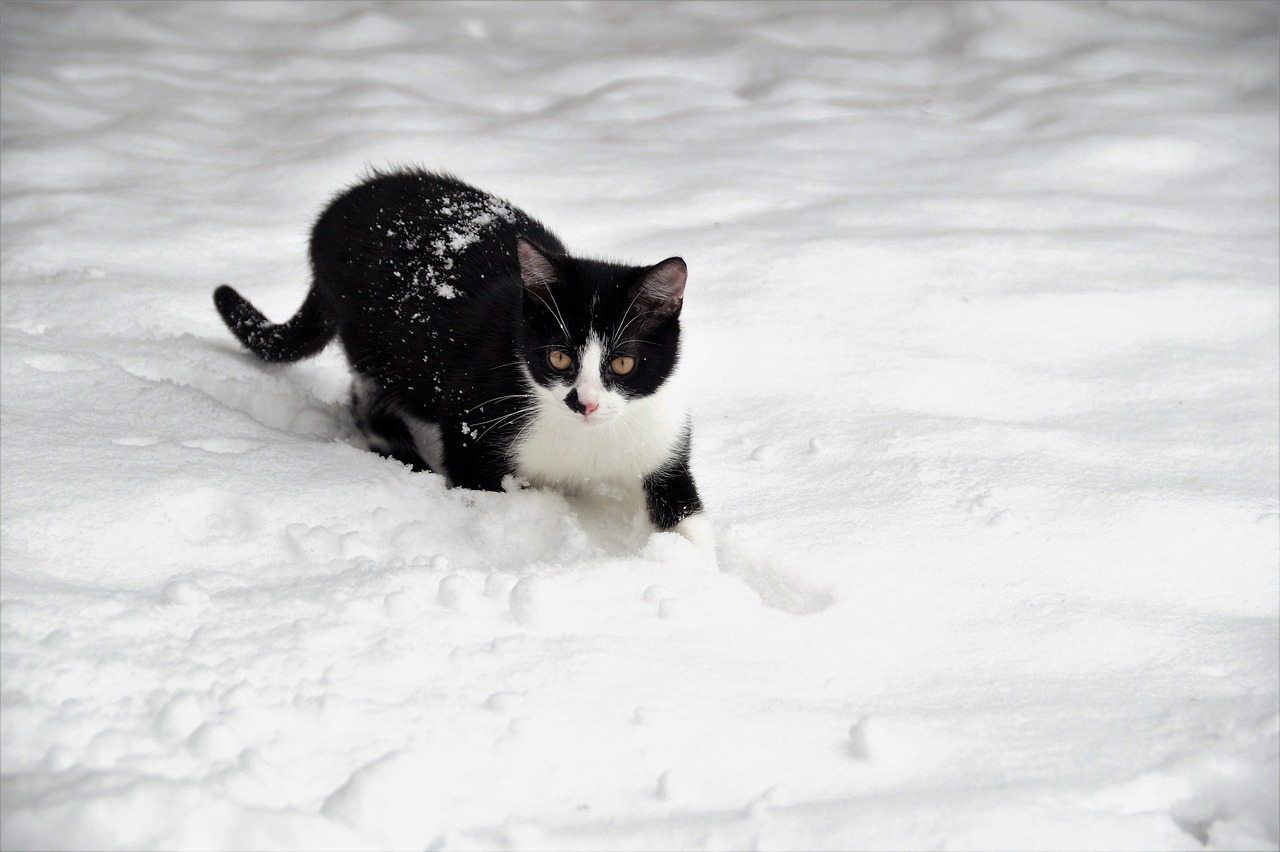
Although winter can be inhospitable for outdoor excursions, some days may still offer suitable conditions for your cat to safely enjoy the outside. It’s essential to provide a balance between indoor activities and outdoor time whenever possible. If it’s safe and the temperature permits, consider taking your cat outside briefly with a harness and leash. This allows them to experience fresh air without the risks associated with roaming freely. Choose a daytime when the sun is shining and temperatures are manageable. Supervision during outdoor time is crucial to prevent any accidents or stressful situations. Check for hazardous elements and keep your cat in an enclosed area or supervised space. Furthermore, if your cat enjoys the snow, supervise their playtime, but keep it limited to avoid cold-related issues. Remember to gradually acclimatize them if they are unused to the winter weather. Incorporating occasional outdoor activities can enhance your kitty’s well-being while having the additional benefit of exposing them to various sights and scents that enrich their environment.
Incorporating training into your cat’s winter exercise routine can also be beneficial. Objectives could include teaching them new tricks or reinforcing existing commands, effectively merging play and training into one. Use treats or their favorite toys as incentives during training sessions. Start with simple commands like ‘sit’ or ‘high five’ and gradually introduce more complex commands as they master the basics. Keep sessions positive and engaging, maintaining a joyful tone throughout to keep your cat motivated. Employ patience and consistency, recognizing that some cats may take longer to grasp concepts than others. The key is to ensure these training sessions remain enjoyable rather than stressful. This strategy not only provides physical exercise but also mental stimulation, strengthening the bond you have with your cat. Moreover, training could also be integrated into play, making it more dynamic and engaging. Providing mental challenges can help prevent boredom, ensuring that your feline remains stimulated and healthy even during the cold winter months, benefiting both their physical and mental well-being.
Monitoring Your Cat’s Health
It’s crucial to monitor your cat’s health and weight during winter months to ensure they remain fit and healthy. Since activity levels may decrease during cold weather, regularly tracking their weight can help prevent obesity and related issues. If you observe significant weight gain, reassess their diet and exercise routines. Consult with your veterinarian for tailored advice regarding nutritional needs and appropriate exercise levels specific to your cat’s age and health status. Regular veterinary check-ups are essential, especially during colder months, as they can provide insights into your cat’s overall health. Proper hydration and balanced nutrition are vital for winter health; ensure your cat is drinking sufficient water and receiving proper nutrients through high-quality cat food. Winter often leads to dehydration due to reduced moisture in the air. Consider introducing wet food to their diet if they are primarily fed dry food, enhancing hydration while allowing variety in meals. Pay attention to any signs of lethargy, unusual behavior, or changes in appetite, as these could indicate underlying health issues that require immediate attention and care.
Lastly, understanding your cat’s cues is essential to adjusting their winter exercise activities. Each cat has its own personality, and recognizing when they enjoy playing versus when they need rest can influence their exercise plan. Some cats may become more sedentary in winter, which is their natural tendency to conserve energy. Observing their body language can provide insight into their comfort levels and readiness to engage in play. Pay attention to signs such as increased hiding, decreased activity, or reluctance to engage. This can guide when to prompt activity or offer alternative options like cuddling or gentle interaction. Also, consider making space for their preferences in exercise styles, accommodating various types of play. Multiple shorter play sessions throughout the day can be more effective than long, tiring ones. Balancing active engagement with restful moments will keep your cat physically active while respecting their need for comfort. Ensuring a sustainable and healthy exercise experience throughout the winter months will allow your cat to thrive, preserving both their mental and physical acuity.