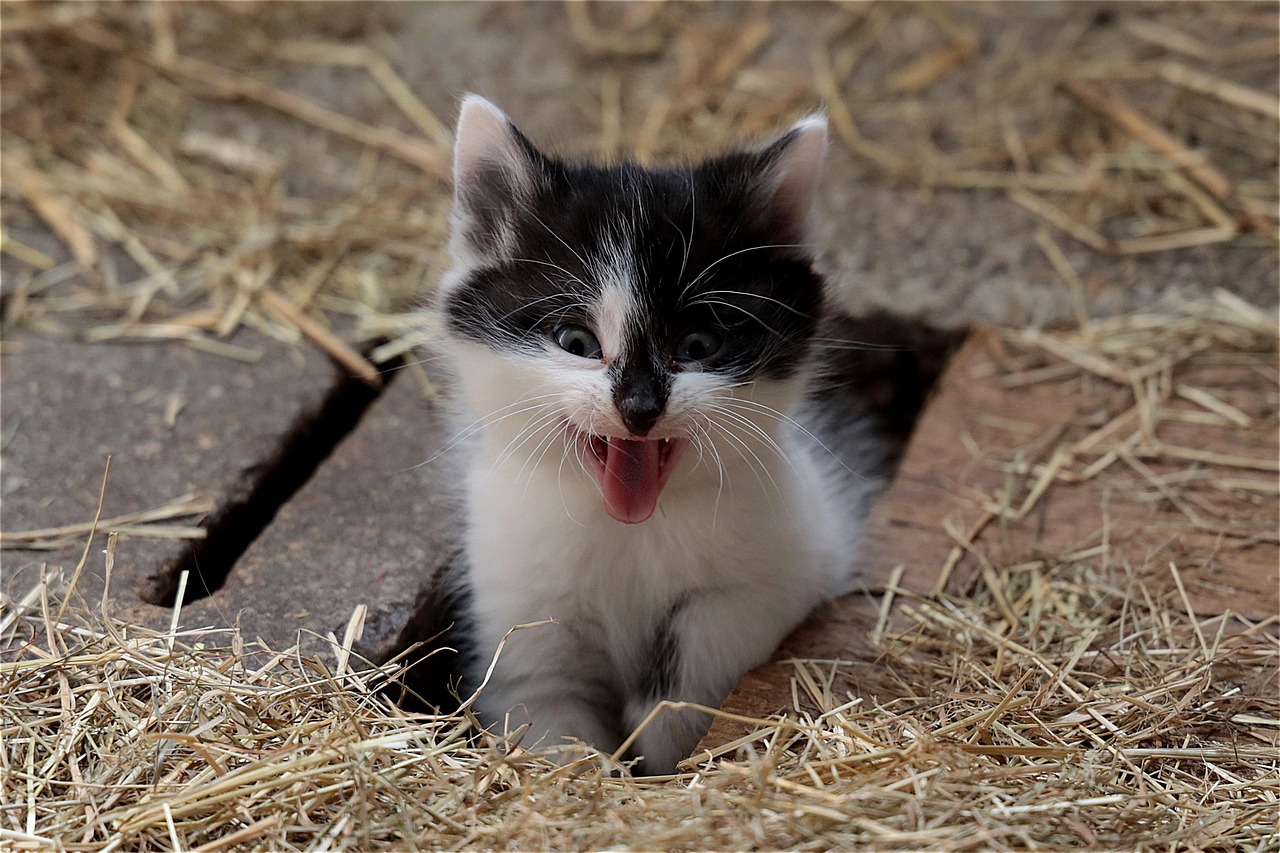

Understanding Fear in Cats: Signs and Symptoms
Recognizing fear and phobias in cats is vital for their well-being. Understanding your cat’s behavior during stressful moments can help prevent future anxiety. Common signs include excessive hiding, attempts to escape, or sudden aggression. Initially, observe their body language, particularly their tail position and ear orientation. A cat with an erect tail is typically relaxed, whereas a lowered or puffed-up tail indicates fear. Ears pinned back or flattened against the head suggest distress. It’s crucial to watch for facial expressions too, such as wide eyes or an open mouth, which may signify panic. Additionally, when your cat exhibits vocalizations like growling or hissing, they may be trying to communicate a sense of fear or discomfort. Phobias can be triggered by loud noises, unfamiliar environments, or certain stimuli. Moreover, consistently stressed cats may exhibit behavioral changes like loss of appetite and reduced playfulness. To aid a fearful cat, a calm environment and positive reinforcement during challenging situations can be helpful strategies. Understanding your cat’s unique triggers will foster a stronger bond between you and your pet, creating a safer and more nourishing living space for them.
Common Triggers of Fear in Cats
Fear in cats can arise from various sources, both environmental and social. Changes in the household, new pets, or unfamiliar visitors can cause anxiety. Cats are creatures of habit, and any disruption in their routine may lead to feelings of insecurity. Additionally, traumatic experiences such as accidents or loud noises, like thunderstorms or fireworks, often lead to long-lasting phobias. Social interactions, especially with other animals, can also provoke fear, leading to aggressive behaviors in some cases. Notice how your cat reacts to various stimuli and environments to gain insights into potential fears. You may also observe their reactions to specific sounds or movements, indicating deeper anxiety within your pet. Moreover, some cats may develop generalized anxiety, where they appear fearful in various situations without identifiable triggers. It’s vital to create a safe space for your cat, allowing them to retreat when feeling anxious. Establishing a designated area with their favorite toys or blankets can promote a sense of security. Lastly, be patient and offer understanding, as overcoming fears may require time and support from you.
Body Language: Understanding What’s Between the Whiskers
Cats express their feelings primarily through body language. Recognizing and interpreting these signs is critical to identify fear. A cat’s ears, tail, and eyes convey a wealth of information about their emotional state. For instance, when your cat’s tail is lowered and twitching, this could indicate agitation or fear. Similarly, if their ears are pinned back against their head, it’s a clear sign of discomfort or alarm. Moreover, other subtle changes, like flattening their body against the ground or crouching low, often indicate a wish to flee or avoid confrontation. Eye expression is also important; dilated pupils may signal heightened anxiety, making it essential to observe when this occurs. Additionally, when a cat suddenly becomes still, it’s often an instinctive reaction to perceived threats. Some cats might also engage in ‘self-soothing’ behaviors, such as grooming excessively when they are anxious. Creating a low-stress environment, along with familiar scents and structures, can help alleviate these symptoms. Offering refuge spaces will provide your feline friend coping mechanisms during distressing moments, ultimately fostering a sense of calm and connection.
It’s essential to differentiate between fear and aggression in cats. An aggressive cat isn’t necessarily acting out of bravery; they may be protecting themselves due to fear. Understanding these distinctions aids in building a trusting relationship. When a cat feels cornered or threatened, they might lash out as a defensive mechanism. Aggressive behaviors can manifest in various forms, including growling, hissing, and swatting. Additionally, the behavior may vary depending on the individual cat’s temperament. While some cats may flee from perceived threats, others respond with aggression to fend off what they consider danger. In these situations, it’s crucial to recognize the signs of fear that precede aggressive behavior. Taking a step back and assessing the environment surrounding your cat can reveal potential triggers for their responses. Providing your cat with a safe escape route in stressful situations is advisable to alleviate anxiety and promote feeling in control. Furthermore, rewarding calm behaviors can assist in reshaping their responses and decrease fear over time, creating a better living situation for both of you.
Behavioral Modification Techniques
Addressing fear and phobias in cats often requires behavioral modification. Gradual exposure to fear-inducing stimuli can effectively acclimatize your cat to challenging situations. Begin with minimal exposure; for instance, if your cat fears visitors, allow them to observe from a safe distance while ensuring they have an escape route. Gradually increase exposure by allowing them to get closer when they feel comfortable. Utilizing a clicker or treats during training can reinforce positive behavior. It is crucial to remain patient, as forcing interactions may exacerbate fear. Additionally, practicing counter-conditioning can replace negative associations with positive ones. For example, when exposing your cat to loud noises, associate them with treats or playtime to reshape their outlook. Creating safe spaces where cats can retreat during anxiety induces calm feelings during disruptions. Another strategy is to provide environmental enrichments, such as tunnels or perches, allowing cats to interact with their surroundings safely. Over time and with consistent training, your cat can learn to cope effectively with their fears, promoting a harmonious environment.
Consulting Professionals
When handling severe phobias or unmanageable behaviors., consulting an animal behaviorist or veterinarian is an advisable course of action. Professionals apply their expertise in addressing complex issues and can provide tailored strategies for your feline. Behavioral professionals can help identify underlying issues and recommend appropriate intervention techniques for your cat. In more critical cases, a veterinarian may suggest medication to assist in managing anxiety levels. Certain medications can provide a safety net while working on behavior modification. Collaborating with professionals ensures the treatment plan is effective and considers your cat’s unique needs. Armed with expert advice, owners will gain confidence in addressing their pet’s fears and phobias, making substantial progress towards improvement. Regular follow-ups with your chosen professional will also help track your cat’s progress and adapt strategies as necessary. Remember that overcoming fear can be a gradual process, and consistency is key. Your patience and commitment to your cat’s well-being play a vital role in their developmental journey, creating a more profound bond between you both.
Overall, understanding and addressing fear and phobias in cats is crucial for their comfort and overall health. Recognizing the signs, identifying triggers, and employing effective strategies lead to happier, well-adjusted cats. Through education and empathy, cat owners can alleviate potential distress in their pets, resulting in a more harmonious relationship. Fostering an environment where your cat feels safe and in control is vital in reducing anxiety triggers. Additionally, building a trusting bond is essential, as it provides your feline friend with security when faced with fear-inducing situations. Beyond addressing specific fears, it is vital to ensure that your cat experiences positive interactions, allowing them to embrace new experiences. Regular playtime and socialization can improve their resilience to stress. Remember that each cat is unique, and their responses to various stimuli can vary. Therefore, remain observant and adaptable with your approach while nurturing an open line of communication with your cat. Together, by fostering communication and understanding their unique personalities, owners can ensure their cat lives a fulfilling and stress-free life.