
Smart Toys and Their Impact on Cat Sports Training
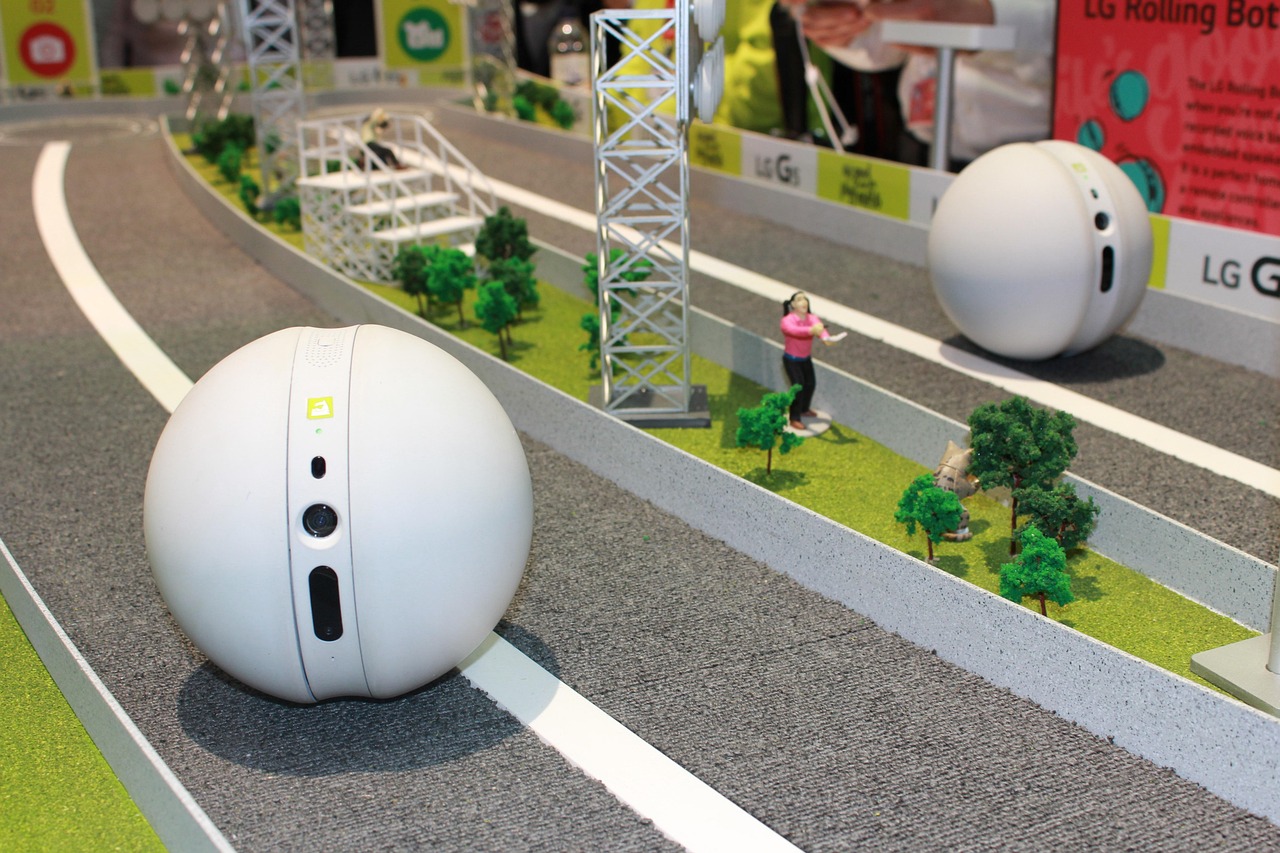
In the modern era of pet care, technology has drastically improved how we train our feline companions, especially in sports. Smart toys are pivotal in engaging cats both physically and mentally, providing activities that enhance their agility, coordination, and overall fitness. These toys often feature interactive components that appeal to a cat’s innate hunting instincts. For example, toys that move erratically mimic prey, encouraging cats to chase and pounce, enhancing their athletic performance in various cat sports. Additionally, many smart toys come with mobile applications that allow owners to monitor their cats’ performance. Owners can track physical activity levels, with features that encourage progress by rewarding consistent play or exercise. This tracking offers insights and fosters a better understanding of each cat’s unique needs and abilities. With targeted engagement, cats become more inclined to participate in sports, showcasing improved skills over time. Furthermore, technology also aids in tailoring training routines based on individual progress, allowing for personalized training plans. As a result, utilizing smart toys leads to a more successful and enjoyable training experience for both cats and their owners.
The Benefits of Smart Toys
Smart toys provide numerous benefits to cats engaged in sports training. One significant advantage is the stimulation these toys offer, catering to a cat’s natural instincts while providing physical exercise. Cats are naturally curious creatures, making it essential to keep them entertained during training sessions. Smart toys, designed with fluctuating speeds, unpredictable movements, and sound effects, capture a cat’s attention effectively. This excitement can transform training from a monotonous routine into an engaging activity that captures an animal’s interest, thus enhancing learning outcomes during sports training. Additionally, these toys promote mental engagement by challenging cats to think strategically. For instance, puzzle toys that dispense treats require cats to solve problems, which can also boost their confidence. Smart toys can be programmed to increase difficulty levels over time, ensuring that training remains a progressive challenge. This aspect is crucial for maintaining motivation, as cats often lose interest if they find tasks too simple or repetitive. Overall, the integration of technology in cat sports through smart toys plays a vital role in enhancing training effectiveness and promoting health.
Smart toys not only benefit the cats but also enrich the owner’s experience during training sessions. The engaging nature of these toys encourages interactive play between cat and owner, building a stronger bond. By actively participating in the training process, owners better understand their pets’ strengths and weaknesses, allowing for more tailored training approaches. Moreover, smart toys often come with user-friendly interfaces that provide insights into various metrics, such as the duration of play or the number of successful attempts at a particular task. Such data can enhance training strategies by highlighting areas that require more focus. For instance, if a cat shows weaknesses in agility, owners can adjust routines accordingly, incorporating specific exercises to target and improve agility skills. The tracking capabilities offered by many smart toys promote accountability and routine establishment in training. They allow for the setting of goals, enabling the owner to measure progress in a structured way. Having clear objectives can significantly improve the training process, making it fulfilling not just for the cat but for the owner as well.
Challenges with Smart Toys
Despite their numerous advantages, smart toys come with a few drawbacks that cat owners should consider. The initial cost of many smart toys can be higher than traditional options, posing a barrier for some pet owners. While the long-term benefits often outweigh the initial investment, it’s crucial for owners to assess their budget and determine if the purchase fits their needs. Moreover, technology can sometimes fail; devices may experience connectivity issues, malfunctions, or battery problems, which can disrupt training. Therefore, choosing reliable brands or products with strong customer support is essential to mitigate these risks. Additionally, while smart toys are designed for indoor play, they may not provide all the needed skills for real-world applications in sports, such as outdoor activities and interactions with other animals. A balanced approach that includes traditional training methods alongside technology will often yield the best results for athletic development in cats. Ultimately, while smart toys are beneficial, owners should integrate them into a well-rounded training regimen for optimal results.
The growing awareness of the role of technology in cat sports training has also led to increased innovation in the industry. Manufacturers are continuously exploring ways to enhance the interactivity of smart toys, incorporating features that cater to feline behavior. Various toys equipped with sensors can detect a cat’s movement and react accordingly, keeping the experience dynamic and challenging. Additionally, some products now offer captivating light displays and sound effects, which further enhance stimulation during play. This sort of innovation keeps cats engaged while also providing them with essential physical exercise, aiding in their sports performance. Moreover, collaborations between pet technology companies and expert trainers have led to the creation of specialized smart toys designed to meet specific athletic goals, such as improving jumping skills or reaction times. With such tailored offerings available, owners can easily find toys that suit their cats’ needs, making training a more focused and enjoyable activity. As the pet tech industry continues to evolve, the possibilities for enhancing cat sports training through smart toys are both exciting and promising.
Integrating Smart Toys into Regular Training
To maximize the benefits of smart toys in sports training, cat owners should strategically integrate them into daily routines. It helps to begin with observing how the cat interacts with various toys, noting which features capture their attention the most. Armed with this knowledge, owners can introduce smart toys alongside conventional methods like agility courses or fetch training, creating a diversified experience. Establishing a consistent training schedule that incorporates smart toys will ensure that cats remain accustomed to their routines while preventing boredom. It’s also beneficial to set small, achievable training goals that can be monitored over time, allowing for adjustments to be made as necessary. Owners should ensure sessions are kept short to align with a cat’s attention span, allowing for frequent breaks and playtime to maintain enthusiasm. Furthermore, combining smart toys with positive reinforcement, such as treats or affection, can greatly enhance a cat’s motivation. Over time, this well-rounded approach can lead to notable improvements in sporting skills and overall behavior, showcasing the profound impact that technology can have on feline training.
In conclusion, the impact of smart toys on cat sports training cannot be overstated. These innovative devices offer numerous benefits, including enhanced engagement, motivation, and tailored training experiences. By integrating technology into training, cats are provided with fun opportunities to improve their athletic skills while also encouraging exercise. Moreover, smart toys can strengthen the bond between cats and their owners through interactive play, making training a joint adventure. However, it’s essential for owners to balance the use of smart toys with traditional training methods to ensure well-rounded cats capable of excelling in various sports. Despite some challenges associated with smart toy implementation, including potential costs and technology failures, the advantages generally outweigh any disadvantages. The future of cat sports training looks promising as more advancements in technology arise. With continual innovation, the industry is set to develop more engaging, effective, and insightful tools for both cats and pet owners alike. By embracing smart toys in daily training routines, cat owners can significantly enhance their pets’ sports performance, ensuring that these beloved companions lead active and fulfilling lives.