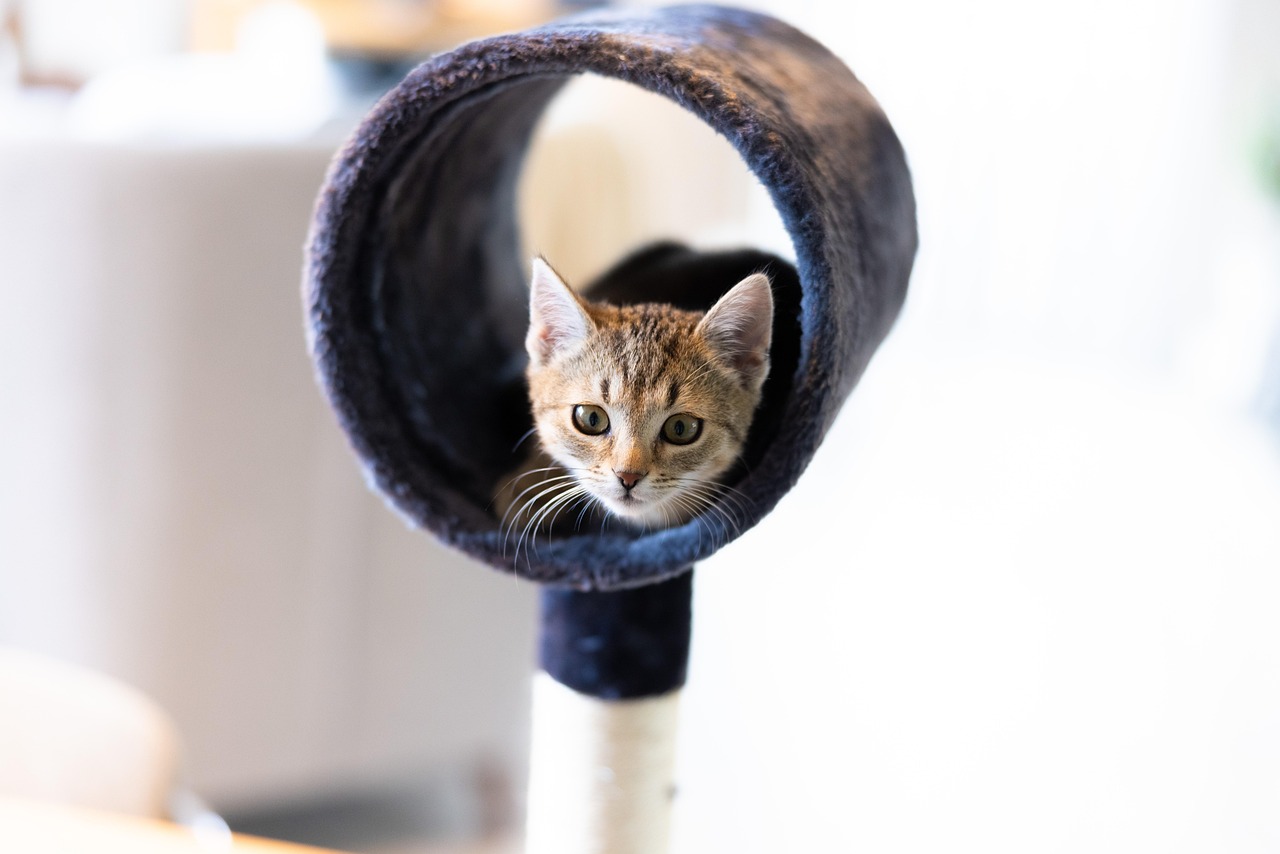

Developing Durable Cat Toys: Manufacturing Techniques for Long-Lasting Products
Creating cat toys involves several manufacturing processes that prioritize durability and safety. First, material selection is crucial; non-toxic materials, such as natural fibers and durable plastics, ensure that toys are safe for felines during play. Manufacturers often utilize materials that withstand wear and tear, such as stuffing made from recycled fibers or durable nylon for outer coverings. Another essential step is the design phase where toys need to be visually appealing and stimulating. Innovative designs include features that mimic prey, like feathers or bells, to engage cats’ hunting instincts. Subsequently, various construction techniques come into play; sewing, welding, or molding can create different types of toys, from soft plushies to hard chew toys. Furthermore, testing for safety and durability is essential to comply with regulations ensuring no hazardous materials are involved. Advanced production techniques also contribute to efficiency, such as injection molding for plastic toys, allowing high-volume production. This strategic approach not only meets market demands but also focuses on providing enjoyable and safe toys that keep cats active, leading to satisfied pet owners and loyal customers.
The next vital aspect of cat toy manufacturing is quality control, ensuring every product meets established standards. Manufacturers implement rigorous testing protocols, inspecting raw materials and finished products for defects or inconsistencies. Using specialized equipment, they conduct stress tests and durability assessments, simulating the wear toys will experience during play. This process is essential in preventing safety hazards and maintaining customer trust. Additionally, a proactive approach to feedback from customers can lead to significant improvements in design and functionality. Companies often solicit data on how well toys withstand regular use, allowing adjustments to materials or construction methods based on real-world experience. This can include design refinements to enhance structural integrity or exploring new materials that extend lifespan. Furthermore, sustainable practices are increasingly prioritized in the industry. Many manufacturers adopt eco-friendly approaches, such as sourcing recycled materials, reducing waste, and minimizing their carbon footprint during production. Combining these considerations not only appeals to environmentally conscious consumers but also promotes a positive company image in an increasingly competitive market.
Importance of Safety in Play
When manufacturing cat toys, safety is paramount, as irresponsible practices can lead to serious injuries or health issues. Compliance with safety standards, such as ASTM and ISO guidelines, helps ensure toys are free from harmful substances. This involves extensive evaluations to guarantee that no small parts are easily detachable, reducing the risk of choking. Manufacturers often perform rigorous testing on various toy components, including seams and attachments, to ensure they can withstand exertion from playful cats. Moreover, choosing hypoallergenic materials is increasingly recognized as vital for the wellbeing of sensitive felines. Regular reviews and updates to safety protocols further strengthen production practices, ensuring ongoing adherence to the latest regulations. The transparency of ingredient sourcing contributes to consumer confidence, allowing cat owners to verify that toys are made from safe and sustainable resources. Educating consumers on the importance of inspecting toys for wear and replacing them when necessary also supports a culture of safety. By meeting these stringent safety measures, companies can build strong brands known for prioritizing the health and happiness of pets, fostering trust among consumers and pet supply retailers alike.
Innovation plays an increasingly significant role in the development of cat toys, introducing cutting-edge materials and technologies into production processes. Manufacturers continuously research and experiment with advanced fabrics, like ripstop nylon, which offers extra strength against snags and tears. Additionally, integrating technology, such as interactive elements, has become a trend in the market, where toys respond to cats’ movements or sounds. For instance, using sensors that activate sounds or lights adds excitement and cognitive challenges for pets, encouraging active play. Furthermore, the rise of customizable cat toys allows pet owners to tailor products to their felines’ preferences, increasing engagement. Companies are adopting rapid prototyping methods, utilizing 3D printing to rapidly create and test new designs before mass production. This not only accelerates the design process but also reduces waste in initial development stages. Continuous innovation also aligns with market trends; incorporating themes related to popular culture, such as movies or holiday specials, enhances product appeal. A focus on cutting-edge design, combined with safety and durability, keeps brands relevant and competitive in a dynamic industry where consumer expectations are consistently evolving.
Trends in Eco-Friendly Manufacturing
Environmental sustainability is a key trend impacting cat toy manufacturing, driving companies to adopt eco-friendly practices. Many manufacturers are committing to sourcing green materials, such as organic cotton or biodegradable plastics, which significantly reduces reliance on petroleum-based products. A crucial aspect of this trend is the reduction of waste throughout the production cycle. Companies are implementing lean manufacturing techniques to optimize resource use and minimize excess byproducts, ultimately leading to a smaller carbon footprint. Moreover, utilizing renewable energy sources for production facilities can help decrease overall emissions. As consumer awareness of environmental issues rises, brands that emphasize sustainability are more likely to attract conscientious pet owners. Certification from recognized eco-labels also enhances credibility, assuring consumers of the commitment to environmentally friendly practices. Companies can further engage their audience by promoting recycling programs for old toys, encouraging responsible disposal and fostering a culture of sustainability. With eco-friendly initiatives becoming part of the broader marketing strategy, manufacturers not only contribute to a healthier planet but also differentiate themselves within a saturated market.
Collaboration with veterinarians and pet behaviorists is essential for creating effective and engaging cat toys. Their insights into feline behavior can guide manufacturers in developing toys that not only entertain but also promote physical activity and mental stimulation. Engaging toys can help alleviate common behavioral issues, such as scratching furniture or excessive meowing. By integrating expert advice, companies can refine designs to incorporate features like varying textures or adjustable difficulty levels, appealing to cats of different ages and activity levels. Focus groups involving cats and their owners can also yield valuable data, enhancing product testing and improvements. Manufacturers may even co-create items with industry experts, leading to innovative designs backed by scientific knowledge. Furthermore, providing educational materials about the benefits of interactive play can enhance consumer awareness and engagement, strengthening brand loyalty. Companies can share insights through blogs or social media platforms, allowing them to establish themselves as thought leaders in cat care. This collaboration fosters a shared understanding of pet needs, ensuring the toys developed truly enrich the lives of both cats and their owners while solidifying the brand’s reputation.
Conclusion: Future of Cat Toy Manufacturing
The future of cat toy manufacturing seems poised for growth, driven by consumer trends towards safer, more engaging, and eco-friendly products. Manufacturers that embrace innovation and prioritize sustainability are likely to lead the market, responding to evolving consumer expectations. The integration of smart technologies and materials is expected to enhance the function and appeal of toys, ensuring they remain relevant in a digital age where companionship and interaction are at the forefront of pet ownership. Furthermore, an increased focus on nurturing the human-animal bond will drive product development, with designs emphasizing play’s importance in feline well-being. With sustainability initiatives set to gain traction, companies that outline clear policies regarding ethical sourcing and production practices will likely win the loyalty of today’s conscientious consumers. Engagement with experts and continued education for pet owners will facilitate brands establishing trust and authority in the industry. Ultimately, the intersection of quality, safety, and innovation will define the future of cat toy manufacturing, contributing to happier cats and more satisfied owners, ensuring lasting relationships between pets and their families for years to come.
This version of our industry’s future also emphasizes inclusivity among all market segments. Companies have been noted to rethink pricing strategies and product diversity to include budgets from all pet owners. By offering unique but affordable options, brands can reach a broader audience, ensuring that enriching toys are accessible to everyone. Additionally, the personalization trend is likely to expand, with customizable toys being adapted to specific feline preferences, leading to enhanced engagement. Social media will undoubtedly continue to play a pivotal role in shaping consumer perceptions and promoting new product lines. Cat toy manufacturers might leverage social platforms to launch interactive campaigns, encouraging customers to share their cats’ experiences with the toys. As the digital landscape evolves, utilizing influencer partnerships could amplify brand messages, reaching vast audiences, especially millennials and Gen Z consumers interested in pet ownership. Innovation in online retail experiences can open up new markets, such as subscription services for monthly toy deliveries. By embracing these trends, the cat toy manufacturing landscape is evolving, merging tradition with innovation while fostering a commitment to pet happiness and responsible retailing for the future.