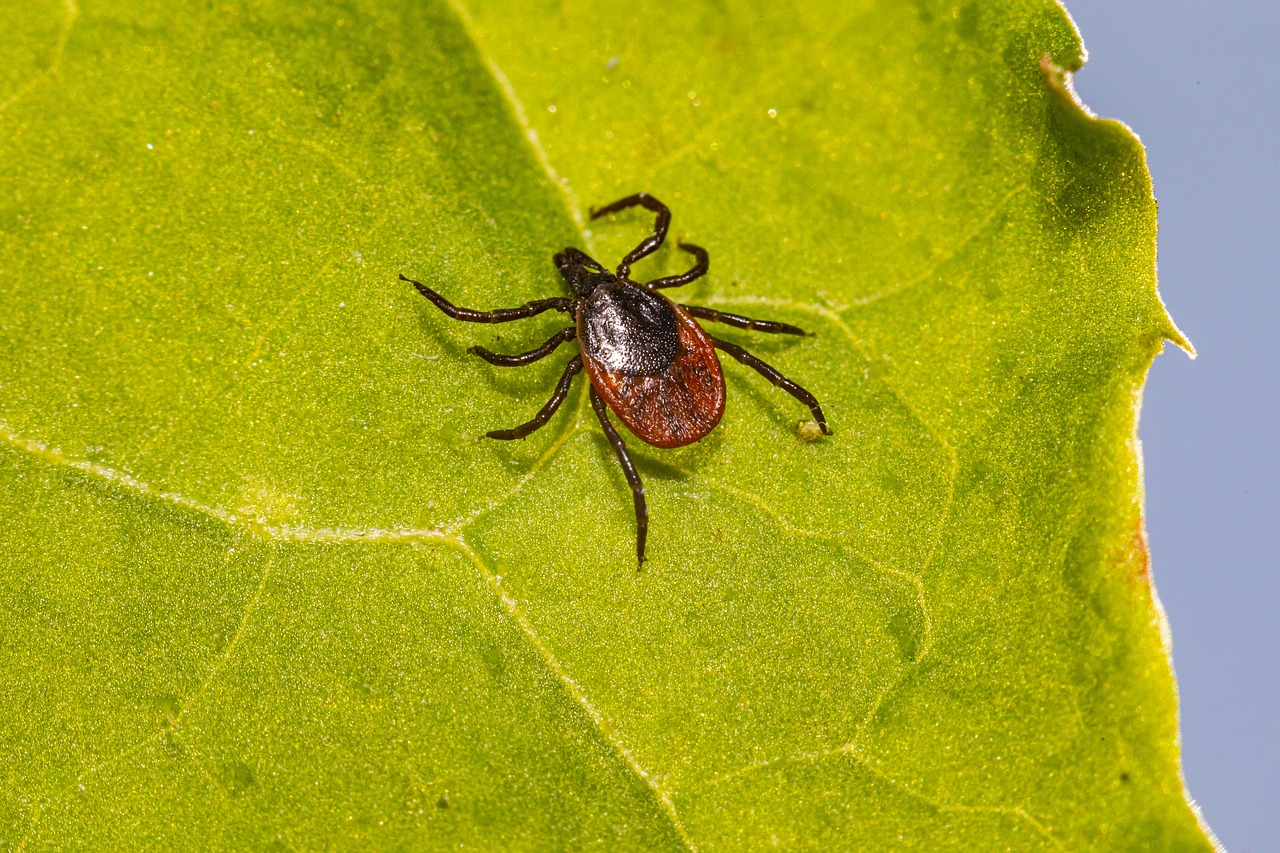

Understanding the Life Cycle of Ticks and How It Affects Your Cat
Ticks are ectoparasites that can significantly impact your cat’s health. Understanding their life cycle is essential for effective prevention and control. Ticks typically undergo four life stages: egg, larva, nymph, and adult. Each stage looks different and requires a host to survive. Adult ticks lay thousands of eggs in the environment, which hatch into larvae. The larvae then attach to a host to feed, usually seeking small mammals or birds. Once they’ve fed, they drop off to molt into nymphs. Nymphs feed again, often on cats or other larger mammals. After feeding, they molt into adults. Adult ticks seek larger hosts for optimal feeding during their reproduction cycle. It’s crucial for pet owners to be aware of these stages, as ticks can transmit diseases to cats, causing significant health issues. Regularly inspecting your cat for ticks is key to deterring infestations. Additionally, maintaining a clean environment can help reduce tick populations. The impact of ticks on your cat could result in serious health concerns, including Lyme disease, which is critical to prevent.
Tick prevention strategies are vital for keeping your cat healthy. Regular grooming sessions can help spot ticks before they become a problem. During grooming, check for ticks along the skin, especially in areas such as the ears, underbelly, and legs. Moreover, using topical treatments or collars designed for tick prevention can greatly aid your efforts. These products repel ticks and may kill them on contact. Consult your veterinarian for recommendations tailored to your cat’s needs and lifestyle. Ensure to apply these preventatives consistently, as they can lose effectiveness over time. Additionally, consider reducing the tick population in your yard. Mowing the grass regularly, clearing debris, and keeping the lawn trim can create an environment less inviting to ticks. A tidy garden will not only support tick control but also promote healthier outdoor play settings for your feline. If your cat spends time outdoors, it’s especially crucial to be vigilant. Pairing environmental controls with preventive medications offers the best defense against tick infestations and related diseases in cats. Always monitor your pet for unexpected symptoms following outdoor adventures.
Symptoms of Tick-Borne Illness in Cats
Recognizing symptoms of tick-borne illnesses is crucial for your cat’s wellbeing. Symptoms may vary based on the specific disease but often include fever, lethargy, loss of appetite, and limping. More severe cases could present with joint pain, swelling, and anemia. If you suspect your cat has been exposed to ticks, observe them for any unusual behavior. Early detection is key, as prompt treatment can help prevent severe complications. Regular veterinary check-ups should include discussions about your cat’s exposure to ticks, especially if they enjoy outdoor activities. Vets may recommend periodic blood tests to screen for tick-related diseases. If you notice any concerning symptoms, don’t hesitate to contact your veterinarian. Time is of the essence when treating tick-borne illnesses. Your vet can provide necessary treatments and advice on further measures to protect your pet from tick infestations. In some cases, diseases like Lyme disease could lead to long-term health issues if left untreated. Keeping an eye on your cat’s condition ensures any issues are caught early. Being proactive in prevention and aware of potential symptoms can enhance your cat’s quality of life significantly.
Ticks thrive in environments where they can easily access hosts. Tall grass, shrubs, and wooded areas provide ideal habitats for ticks to wait for a host. When cats venture into these areas, they may unknowingly place themselves at risk for tick bites. This risk underlines the importance of monitoring their outdoor adventures. Limit your cat’s exposure to high-risk areas, especially during peak tick seasons. Educate yourself about peak tick activity periods in your area. Ticks are most active from spring through early fall, but warmer months may see extended activity. It’s also important to ensure your cat is always up to date on their preventive treatments throughout the year, adjusting as necessary based on their outdoor behavior. Beyond topical solutions, you can manage the gardening process strategically. Creating a tick-safe environment through landscaping choices is one way to support your cat’s health. Keeping your yard tidy, removing leaf litter, and maintaining the perimeter can all help reduce tick habitats. Encouraging natural predators, like birds, may also assist in keeping tick populations in check, serving beneficial roles in a holistic approach to prevention.
How to Safely Remove Ticks from Your Cat
If you find a tick on your cat, immediate and proper removal is important. Using fine-tipped tweezers, grasp the tick as close to your cat’s skin as possible without pinching their skin. Pull upwards with steady, even pressure to avoid leaving parts of the tick in your cat’s skin. Avoid twisting or jerking motions, which can cause parts of the tick to break off and remain embedded. Once removed, clean the bite area with antiseptic and wash your hands thoroughly. Dispose of the tick by placing it in a sealed bag or container to avoid any potential contamination of your home. It’s important to monitor the area for signs of irritation or infection post-removal. Keep an eye on your cat for several weeks, watching for any unusual symptoms or behaviors that could indicate illness. If any symptoms arise, consult your veterinarian immediately. Keeping records of tick removals, including the date and location, may assist your vet in assessing your cat’s health. Effective tick management requires addressing any immediate situations along with long-term prevention strategies.
Preventing ticks on your cat involves a multipronged approach. Utilizing a combination of grooming, preventive products, and environmental checks can effectively reduce infestations. Regularly inspect your cat after outdoor excursions, especially during tick season. This diligence is crucial for identifying ticks before they can transmit diseases. Grooming not only helps detect ticks but strengthens the bond between you and your cat. During grooming sessions, examine your cat’s skin thoroughly for any signs of irritation or uncharacteristic behaviors. Additionally, maintaining regular veterinary appointments ensures your cat remains up to date on vaccinations and preventative treatments. Following your veterinarian’s recommendations is key to keeping your pet safe from tick-borne diseases. Consider integrating natural repellents alongside conventional methods for an added layer of protection. Some essential oils, like cedar and lavender, can deter ticks, although veterinary guidance is crucial to ensure they’re safe for cats. Be mindful of any changes in your cat’s health after introducing new products or treatments. With proactive steps, you can create a safer environment for your feline friends and help them enjoy the outdoors without the threat of tick infestation.
Conclusion: Keeping Your Cat Safe from Ticks
Keeping your cat safe from ticks requires vigilance and consistent preventive measures. Understanding the life cycle of ticks allows pet owners to take informed actions against these pests. Regular grooming and environmental assessments effectively minimize tick populations on your property, while preventive treatments can safeguard your cat’s health. Being aware of symptoms associated with tick-borne diseases ensures that you can recognize any potential problems early. Remember, caring for your cat is a continuous process, which means assessing exposure and risks regularly. By remaining proactive and educated, you can lessen the likelihood of tick infestations and their associated health risks. Emphasize routine check-ups with your veterinarian, who can provide the most tailored advice on prevention specific to your cat. Always stay updated about advances in tick prevention strategies and treatments. Healthier cat behaviors begin with awareness and observational practices. Ultimately, a happy and healthy cat is the desired outcome, and protecting against ticks is an essential part of fulfilling that goal. You contribute to their overall happiness and wellbeing through proper care and attention to their health and safety.
Maintaining a tick-free environment involves both personal diligence and community efforts in controlling local wildlife populations. Encourage neighbors to adopt similar practices in their yards, reinforcing community accountability toward tick management initiatives. In the end, your combined efforts can lead to healthier outdoor environments for both pets and humans alike.