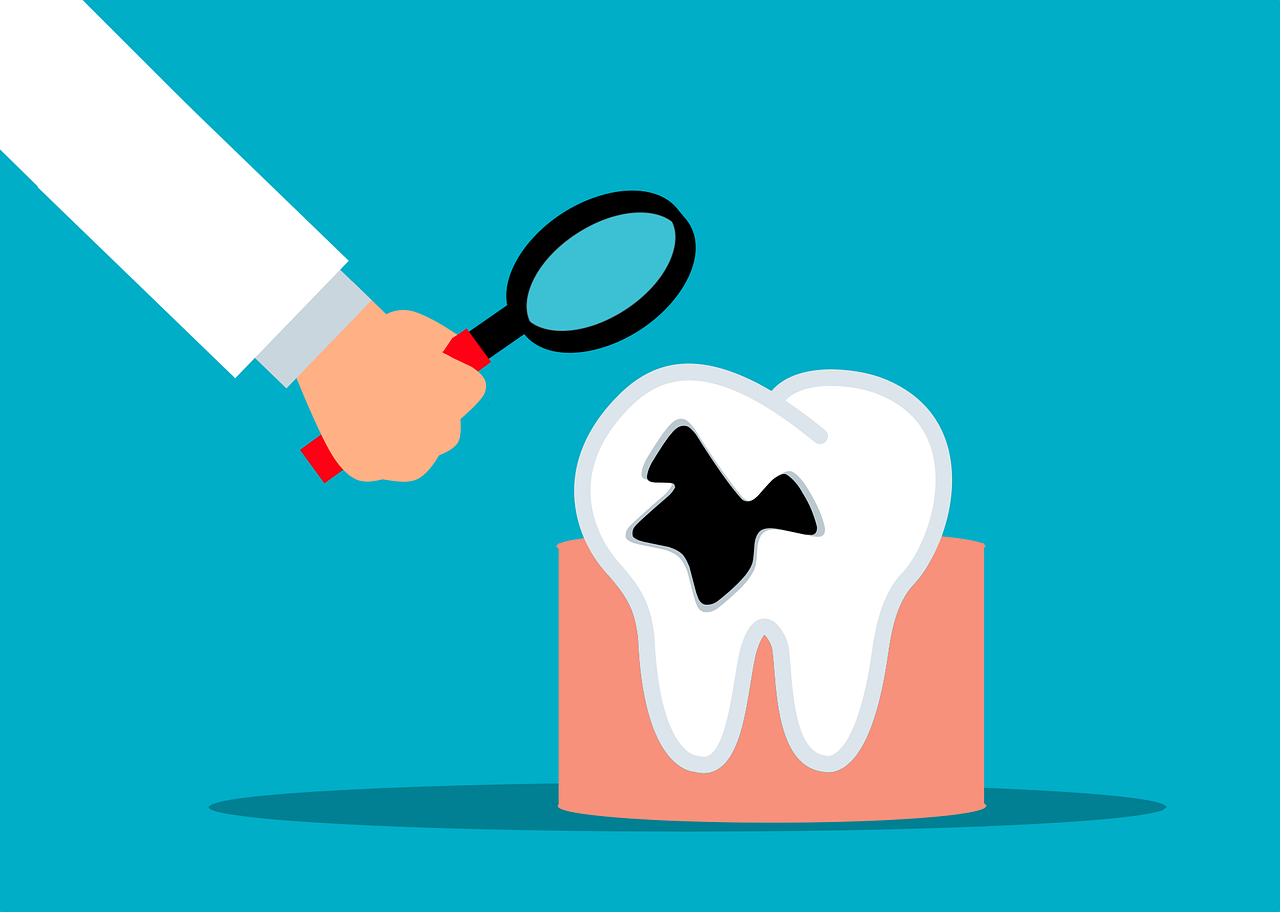

Understanding Cat Tooth Decay and How to Combat It
Tooth decay is a common yet often overlooked problem among cats, potentially leading to serious health issues. Feline dental disease may not show noticeable signs initially but can worsen over time. Many cat owners are unaware that oral health is crucial for their pet’s overall well-being. When plaque builds up on your cat’s teeth, it can harden into tartar, leading to gingivitis. Poor dental hygiene can exacerbate this issue, causing pain and discomfort for your pet. Signs of tooth decay may include bad breath, difficulty eating, and swollen gums. Regular check-ups with a veterinarian can help monitor your cat’s dental health. In addition, brushing your cat’s teeth regularly is essential to prevent decay and gum disease. Ideal dental products for cats include toothpaste formulated specifically for cats and soft-bristle brushes. Consult your veterinarian to create a suitable dental care routine for your pet. Remember, a proactive approach to dental care can prevent severe problems in the future, ensuring your feline friend remains healthy and happy.
Behavioral changes may occur as dental issues worsen, affecting your cat’s quality of life. Cats are masters at hiding pain, which means that dental problems can easily go unnoticed until they become severe. Monitoring your cat’s eating habits, grooming behaviors, and general demeanor can provide essential insights into their dental health. If you notice changes, such as decreased appetite or reluctance to chew, it’s time to consult your veterinarian. It’s also beneficial to incorporate dental treats and toys designed to promote healthy teeth. These products can help reduce plaque accumulation while keeping your cat entertained. Dental rinses and chews can be effective, but they should complement rather than replace regular brushing. Performing routine checks of your cat’s mouth can also be beneficial. Look for any discoloration, swelling, or tenderness in their gums and teeth. Early detection is key to effective treatment. Maintaining a consistent dental hygiene routine tailored to your cat’s specific needs can prevent painful dental conditions that necessitate costly veterinary procedures. Additionally, educating yourself about dental problems can help you remain vigilant about your cat’s overall health.
The Importance of Regular Vet Check-ups
Regular vet check-ups play a vital role in maintaining your cat’s dental health. During these exams, a veterinarian can identify early signs of dental disease that may go unnoticed at home. Cats require professional cleanings to remove tartar and plaque that builds up over time. Neglecting dental health can lead to infections that may jeopardize other organs, such as the heart and kidneys. The condition known as periodontal disease can significantly reduce a cat’s quality of life, causing pain and discomfort. With routine dental check-ups, you’re taking a proactive stance against these ailments, ensuring that your cat remains happy and healthy. Always discuss any concerns you have with your veterinarian, such as changes in your cat’s behavior or eating habits. They can recommend appropriate dental care practices tailored to your cat’s age and breed. Providing an environment for good dental hygiene can prevent many issues down the line. Many pet owners assume that cat dental care isn’t necessary, but it is essential to understand how interconnected dental health and overall wellness are for your feline companion. Be diligent and dedicate some time to this critical aspect of pet care.
In addition to professional veterinary care, educating yourself about the different dental issues that can affect cats is incredibly beneficial. Common problems include oral tumors, tooth resorption, and gingivitis. Recognizing the signs of these issues can lead to early intervention, which can significantly improve outcomes. One way to stay informed is to read reputable resources online or consult your veterinarian for advice. Over time, you will learn how to detect potential problems early on. Regularly examining your cat’s mouth at home can make a huge difference. Look inside their mouth frequently and check for unusual smells or discolorations. Awareness of dental care extends beyond diagnosis; it also involves understanding how dietary choices can impact dental health. Certain cat foods and treats are designed with dental health in mind, promoting cleaning while being enjoyable. Ensure your cat’s diet includes these foods to maintain their teeth and gums. When it comes to engaging in proper dental practices, it often takes time, so be patient. Your commitment to an ongoing dental health routine can hugely benefit your cat, prolonging their lifespan and improving their overall well-being.
Home Dental Care Tips for Your Cat
Implementing a home dental care routine for your cat is essential for maintaining their oral hygiene. Start by encouraging them to accept brushing, gradually introducing them to the toothbrush and toothpaste. There are many cat-friendly flavors available, ensuring a more pleasant experience for your pet. Other options include dental wipes and dental gels if the brush method is unsuccessful. To make your cat more comfortable with brushing, start gradually by letting them taste the toothpaste first. Always use products specifically tailored for cats, as human toothpaste can be toxic. Along with brushing, you can also provide dental treats that help reduce plaque buildup. Many brands offer dental chews designed to be palatable for cats, enhancing their dental care routine while enjoying the treat. Additionally, freshening their breath can be achieved through water additives designed to promote oral health. Keeping your cat’s teeth clean doesn’t have to be stressful; positive reinforcement can go a long way. Reward your cat with praise or treats during and after the process to help create a positive association with dental care, ensuring they are more accepting of the routine.
Recognizing the signs of serious dental conditions in your cat can make a significant difference in their health. Some warning signs may include excessive drooling, difficulty eating, or even behavioral changes like irritability. If you observe any of these symptoms, consult a veterinarian immediately. Advanced dental disease can lead to severe discomfort for your cat and could even necessitate extraction of affected teeth. The presence of bacteria due to untreated dental conditions may contribute to systemic health issues that would affect your cat’s overall health. By staying vigilant, you can ensure your cat’s dental health remains in check. Take it upon yourself to monitor their oral hygiene closely and maintain regular veterinary visits. Early detection and treatment of dental problems often lead to a more favorable prognosis. Incorporating dental care into your cat’s daily routine not only promotes better health but builds a stronger bond between you and your feline friend. Involving your cat in dental care is a loving gesture that enhances their quality of life. Be proactive in your approach, as it will pay off in a happier, healthier life for your beloved pet.
Final Thoughts on Feline Dental Health
In conclusion, understanding cat tooth decay and how to combat it is essential for all cat owners. Prioritizing dental health by practicing regular dental hygiene can prolong your cat’s life and improve its overall happiness. The consequences of ignoring dental health can significantly affect your cat’s quality of life, but with proper care and routine check-ups, these issues can be prevented. As you integrate dental care into your cat’s routine, remember to be patient and consistent. Not all cats will readily accept dental hygiene, but with time and perseverance, they can adapt. Consider implementing various dental products, such as treats or rinses, as supplemental tools for maintaining their oral health. Educating yourself about cat dental health will empower you as an owner, enabling you to provide the best care possible. Keep communication open with your veterinarian; they can provide invaluable insights tailored to your specific cat’s needs. Remember, your furry friend relies on you for their care, including their dental health. Make a commitment to dental care, and you and your cat will reap the benefits together.
By following these guidelines, you can help your feline companion maintain a healthy mouth and a happy life. Your cat will thank you for it by staying active and energetic, free from pain caused by dental issues. Make dental health a priority for your furry friend today. Start by developing a routine that aligns with both your lifestyle and your cat’s preferences, making the process of dental care as smooth as possible. Be proactive, informed, and dedicated to ensuring their oral hygiene, and your cat will appreciate your efforts. This will lead to not only a healthier mouth but also a longer lifespan, placing your cat on the path to a bright, happy life. Remember, prevention is indeed better than cure. Equip yourself with knowledge, tools, and techniques to keep your cat’s dental health at its peak. Each step you take contributes to your pet’s overall well-being, allowing you both to enjoy many happy years together, strengthening your bond. Take the first step towards maintaining those precious pearly whites; your cat will appreciate your care for its health and happiness.