
The Role of Play in Keeping Cats Fit in Winter
Winter is a challenging time for indoor cats, as their natural instincts to hunt and play are often subdued by cold weather. Regular physical activity is essential for maintaining a cat’s health, particularly during these months. Engaging in playtime allows cats to exercise and keep their weight in check while reducing the risk of obesity. Owners need to find ways to encourage their feline friends to stay active, preventing boredom and promoting physical health at the same time. Simple toys, such as laser pointers and feather wands, can stimulate your cat’s brain and entice them to move around. Interactive toys that dispense treats can also be a great way to motivate them. Moreover, providing opportunities for climbing or navigating obstacles can replicate their natural behaviors. It’s essential to note that just fifteen minutes of active playtime, a couple of times a day, can significantly improve your cat’s fitness and overall well-being. Regular engagement in playful activities not only strengthens muscles but also fosters a strong bond between the cat and owner. Therefore, making playtime a priority is crucial during winter months for your cat’s happiness.
Creating a safe and stimulating indoor environment is another way to help your cat stay active during winter. Indoor landscapes can be designed with various elements like scratching posts, climbing shelves, and tunnels to encourage exploration and exercise. By mimicking the outdoor environment, indoor cats will have a more enjoyable experience. Providing different types of toys can also keep your cat engaged and prevent them from becoming lethargic. Puzzle toys can challenge their minds, while soft balls or crinkly mice can spark their hunting instincts. Setting up play zones with various toys readily available will make playtime more accessible whenever your cat feels energetic. Additionally, incorporating daily routines where you engage in activities with your cat can establish a more predictable exercise schedule. Be sure to rotate toys regularly to keep them fresh and exciting; this will maintain their interest and encourage consistent play. Furthermore, consider involving family members in your cat’s playtime. The companionship and added stimulation can enhance the fun and lead to more active play sessions. As winter drags on, keeping your home lively can dramatically improve your cat’s mood.
Your cat’s diet plays a significant role in their overall fitness, especially during the less active winter months. With lower exercise levels, it’s important to monitor their food intake and adjust accordingly. Consult your veterinarian for guidelines on portion sizes suited to your cat’s activity level. Transitioning to lighter food options or reducing treats can help manage their weight effectively. Keep in mind that obsessive grazing can become a habit, so utilizing scheduled mealtimes can aid in maintaining a balanced diet. Additionally, engaging in play rewards with small, low-calorie treats can blend training and play, reinforcing positive behaviors while allowing your cat to stay motivated. Owning food puzzles that require effort to release food can keep your cat mentally stimulated while offering them a hearty meal. Remember to provide fresh water at all times; proper hydration is vital, even in winter when cats might drink less frequently. By combining the right food choices with plenty of interactive play, you can help your cat maintain a healthy weight and enjoy a vibrant winter season indoors.
Outdoor Adventures and Exercise Safety Tips
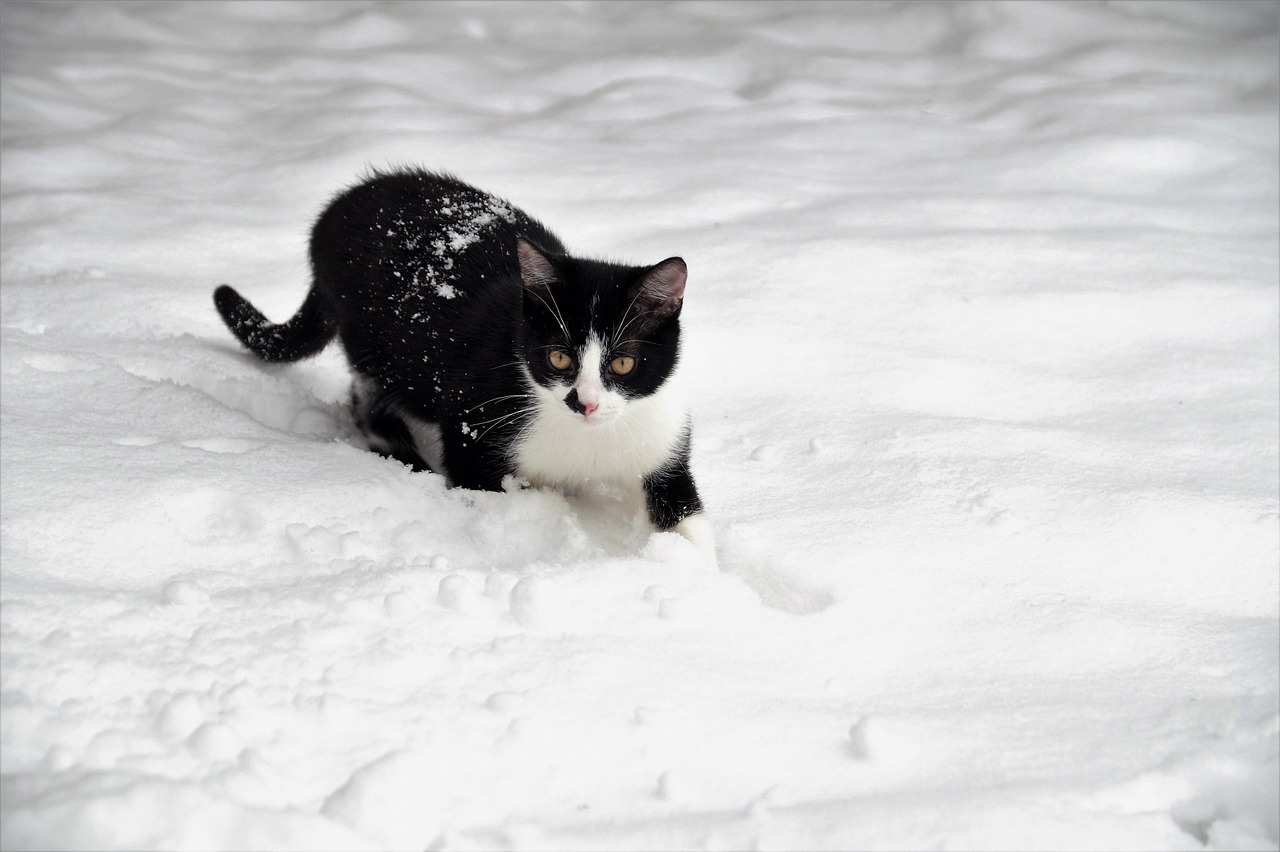
Although winter poses challenges for outdoor play, it can still be enjoyable for adventurous cats under appropriate supervision. For those considering letting their cats venture outside, it’s essential to ensure their safety. Providing harness and leash training can open up opportunities for walks, encouraging a healthy exercise routine outside the home. Always assess your environment for potential hazards such as ice patches, aggressive wildlife, and traffic. Monitoring the weather is crucial; avoid icy conditions or extreme temperatures, as cats can easily suffer from frostbite or hypothermia. Short, controlled outdoor excursions can be stimulating for indoor cats, allowing them to explore new scents and sights. Make use of safety gear, including reflective collars or bells that signify the cat’s presence outdoors. Moreover, give special attention to their paws; ice balls can form in between their toes, causing discomfort. A quick inspection before returning indoors can help avoid any unnecessary distress. Lastly, returning indoors to warm and cozy spaces will help ensure the transition back into the warmth of home is comfortable.
Another aspect of keeping your cat physically active in winter is utilizing technology. Various apps and gadgets can entertain and motivate your feline to stay playful. Automatic laser toys or ball launchers are great investments as they allow you to schedule exercise sessions, allowing your cat to chase and engage with toys even when you are not available. More advanced options can connect to your smartphone, enabling you to manage play sessions from anywhere in the house. You can personalize interactions that suit your cat’s needs, ensuring they remain engaged. Additionally, providing entertainment through videos designed for cats can hold their attention while you attend to other house chores. The diverse sounds of wildlife can stimulate their natural hunting responses, keeping them alert during the long winter. By harnessing technology, you’ll create an environment that encourages physical activity, combatting the winter blues for both you and your curious furry friend. This tech-driven approach can introduce a new level of adaptability to your cat’s winter routine, ensuring they stay happy, healthy, and active until spring appears.
Recognizing When It’s Time to Visit the Vet
Despite our best efforts in keeping our cats active, sometimes they may develop health issues due to winter lethargy. It’s crucial to monitor their behavior and body weight during this period. If your cat seems unusually inactive throughout the day, starts to gain weight, or loses interest in activities they typically enjoy, it may be a sign that professional advice is needed. Regular vet check-ups can provide insights into hidden health problems that could be exacerbated during winter months. Additionally, sudden changes in appetite or their litter box habits may warrant a visit to the veterinarian. Always ensure to communicate specific shifts in behavior that coincide with the onset of winter, as this may indicate health concerns. Early intervention is key to addressing these issues effectively and ensuring your cat’s well-being. As responsible pet owners, it is our duty to safeguard their health through seasonal changes and behaviors. Keeping track of their routine, including play habits and any concerning signs, will empower you to take the necessary steps in securing your fur baby’s happiness.
The interplay between play and health assumes particular importance in the feline world during winter. Encouraging active play can mitigate the impact of shorter days and colder weather, allowing your cat to thrive indoors. Through mindful engagement, a stimulating environment, and proper dietary management, owners can ensure their feline friends remain fit and lively throughout the chilly months. Every little interaction counts toward fostering a joyful and energetic atmosphere. Winter can often feel long and daunting, but with the right mindset, it can become a time of bonding and exploration with your beloved pet. The strategies discussed—ranging from indoor play, lifestyle adjustments, and even outdoor adventures—build a foundation for lifelong habits that contribute to your cat’s overall health. Both mental stimulation and physical wellness play a vital role in your cat’s behavior. By being proactive in their care and fitness during winter, you will be laying the groundwork for happier seasons ahead. Embrace this seasonal challenge with creativity and dedication, as every effort enhances the quality of life you share with your furry companion.
Your cat’s diet plays a significant role in their overall fitness, especially during the less active winter months. With lower exercise levels, it’s important to monitor their food intake and adjust accordingly. Consult your veterinarian for guidelines on portion sizes suited to your cat’s activity level. Transitioning to lighter food options or reducing treats can help manage their weight effectively. Keep in mind that obsessive grazing can become a habit, so utilizing scheduled mealtimes can aid in maintaining a balanced diet. Additionally, engaging in play rewards with small, low-calorie treats can blend training and play, reinforcing positive behaviors while allowing your cat to stay motivated. Owning food puzzles that require effort to release food can keep your cat mentally stimulated while offering them a hearty meal. Remember to provide fresh water at all times; proper hydration is vital, even in winter when cats might drink less frequently. By combining the right food choices with plenty of interactive play, you can help your cat maintain a healthy weight and enjoy a vibrant winter season indoors.