
Behavioral Signs to Watch for in Aggressive Multi-Pet Environments
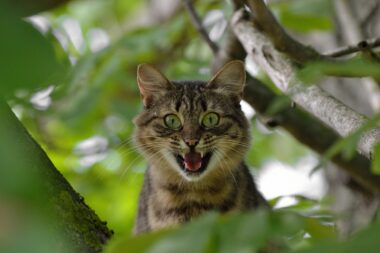
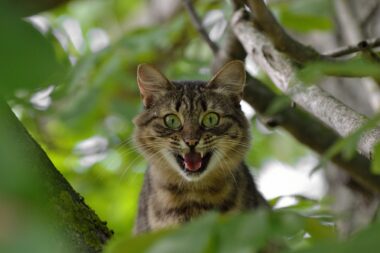
Aggression among pets in multi-pet households can lead to severe behavioral issues. It’s important to understand the signs that may indicate trouble. One common sign is that one pet may exhibit overt aggression others through posturing. This may include tail puffing, narrowed eyes, and aggressive vocalizations. Frequent growling or hissing when other pets approach food or resting spots can signal territorial aggression as well. Your pets may also display stalking behavior; one animal will follow another, causing anxiety. Look for growling or swatting behaviors when playtime happens, which may turn aggressive. Signs such as abrupt stopping of play or switching of attention from playful to aggressive can create distress among animals. Another indicator is the avoidance of certain areas or hiding in secluded spots, indicating that one pet may feel threatened. Take note of how your pets interact during feeding, grooming, and playtimes, as aggressive tendencies may manifest here. Observation of these signs can help you implement strategies to reduce aggression, such as giving pets their own space, separate feeding areas, and sufficient resources to share. Collaboration with professionals may also enhance understanding of correction methods.
Another behavior to watch for is when your pets engage in excessive fighting. Not all roughhousing is play: actual fights are often marked by vocalizations such as yowling or yipping. Pets involved in fights may attempt to escape rather than retreat calmly. If you observe one pet pinning another down or using teeth rather aggressively, that is usually a clear indicator of hostility. Taking note of the duration of these aggressive encounters is also crucial; frequent or long bouts of aggression can result in lasting stress among pets. Pay close attention to how your pets behave after confrontations as well. If one pet becomes shy or excessively withdrawn, this can also indicate emotional trauma resulting from aggressive encounters. In some instances, you’ll find that one pet bullies the other, leading to a range of behavioral symptoms including polished anxiety. Additionally, uncharacteristic behaviors like excessive grooming can sometimes develop as a coping mechanism. The presence of these signs indicates a need for intervention to modify behaviors and reduce stress levels. Management may involve patience, training, and potentially engaging a behaviorist who specializes in pet aggression.
You should also monitor changes in your pets’ eating or bathroom habits, as shifts can denote stress from environmental aggression. If a pet suddenly refuses to eat or you find signs of inappropriate elimination, this might point to anxiety caused by aggression from other pets in the home. This issue requires immediate attention as it can lead to further health complications. Consider implementing more structured feeding routines to provide predictable environments for your pets. Ensure separate feeding setups to alleviate competitive dynamics later observed in multi-pet households. Pets may occasionally guard resources, leading them to exhibit aggressive behavior. Increased aggression can stem from competition over toys, bed spaces, or owners’ attention. Being vigilant about resource guarding provides an opportunity to establish fairness and harmony between pets. Behavioral training focusing on sharing and turn-taking can also greatly help combat aggression. Use positive reinforcement techniques to encourage good behavior whenever pets successfully share treats or toys without aggression. Recognizing when to intervene is essential in maintaining a peaceful coexistence among pets.
Understanding the Causes of Aggression
Understanding the underlying causes of aggression in pets can help you identify and address any behavioral concerns in multi-pet environments. Often, aggression can arise from fear, anxiety, or resource competition among animals. Fear-driven aggression typically manifests when pets feel threatened, responding defensively. For instance, a sudden noise or unfamiliar presence may trigger defensive behaviors, causing a pet to lash out toward others present. It’s vital to identify what triggers these fear responses and address these situations proactively. Environmental changes may also contribute to behavior changes, resulting from a new pet introduction or relocation. Also, pets unfamiliar with one another can display hostility during introductions. Anxiety is an emotional response that can lead pet animals to act aggressively, especially in situations involving confined spaces or unfamiliar settings. Resource competition not only pertains to food but can include play items and human attention, stirring aggressive instincts among pets vying for a perceived limited resource. The act of scratching to establish dominance can also indicate aggression resulting from competition. Monitoring these signs can significantly improve your understanding of pet social dynamics.
Another factor influencing aggression is social structure, as many pets thrive in a hierarchy. A pet’s place in the social order may influence its propensity to control specific spaces, food resources, and toys. Dominance battles can arise particularly when pets are stressed or if there is confusion about rank. Observing your pets during interactions can provide insight into their roles in this hierarchy. Recognizing roles also helps in training sessions; dominant pets may need consistent, reinforcing commands more than others do. Pets may also require guidance on acceptable interactions with one another, elaborating on how to share spaces or resources harmoniously. Engagement in all pet activities is crucial as well. Routine playtime and resources encourage coexistence. Reinforcing positive behavior tends to reduce aggressive tendencies as well. Utilize behavioral modification techniques by awarding pets engaging in peaceful interactions, such as shared sleeping spaces or playtime. Consistency is vital, as pets may respond better to an established routine. Implementing patience will enhance your pets’ living conditions, fostering a safe and well-adjusted environment.
Environmental enrichment is an equally vital topic in preventing aggression amongst pets. Creating an engaging atmosphere with appropriate toys, scratching surfaces, and climbing structures can significantly reduce tension. Toys that promote independent play reduce competition among pets, leading to reduced aggressive tendencies. Moreover, adequate spaces for resting can help avoid conflicts, allowing each pet to have their sanctuary away from others if they feel overwhelmed. It will assist in alleviating stress and help pets feel secure within their own territory. Offer multiple litter boxes or feeding stations to minimize confrontation over food resources. Regular exercise is vital as well, as physical engagement reduces pent-up energy and frustration that may lead pets to act out aggressively. Introduce routine play dates not only with their fellow pets but with you to reinforce positive human-pet relations and cooperation. Establishing boundaries during playtime can also help clarify behaviors. Recognizing how their expressions project toward one another may further enhance peaceful living. Observe and react when pets engage collaboratively rather than combatively to further encourage their good behaviors. Providing opportunities for positive interactions will help create a healthier, more responsive atmosphere.
Conclusion
In conclusion, it’s crucial to stay vigilant when observing pets for signs of aggression in multi-pet households. Monitoring for indicators such as fights, severe withdrawal, and changes in behavior all play an essential role in ensuring their wellbeing. Addressing these issues without hesitation can prevent serious conflicts that could lead to injuries among the pets as well as hinder your household harmony. Engaging in proper interventions encourages better behavioral dynamics among pets and improves their living conditions. Reinforcing calm play behaviors and eliminating competitive tendencies helps establish a more relaxed environment. Furthermore, understanding the individual needs of every pet will promote stability. Ensuring effective training takes place will enable the entire household to support both the pets and each other. Integration of environmental adjustments and a commitment to understanding the pets’ psychological states forms the foundation for a peaceful coexistence. Take every opportunity to improve life quality for all pets involved while continuously adapting as changes arise. Proper management of aggression can lead to richer relationships within your household filled with both love and understanding among pets.
Maintaining open communication with each pet is just as important. Monitoring how pets react to one another and nurturing positive relations requires personal reflection. Give attention to each pet individually, as integrating practices that emphasize companionship aids in their socialization. Over time, the adoption of proper behavioral practices will yield significant benefits for both animals and owners alike. Engaging in ongoing training will cultivate a calm environment, harnessing pets’ natural instincts in optimal ways. Knowledgeable veterinarians or certified behaviorists can provide essential insights into managing specific aggression issues or behavioral therapy. Join social network groups or forums focusing on pet behavior where you may gain insights from fellow pet owners’ experiences. There exists a wealth of resources available to facilitate behavioral modification, enabling a better grasp of the challenges you face. Remember that patience is key; transforming aggression into friendship requires dedication, time, and attention to every pet’s emotional needs. Seek collaborations within the pet community, such as local classes that emphasize positive affirmation and behavior. In doing so, you effectively promote kindness and cooperation among all home pets.