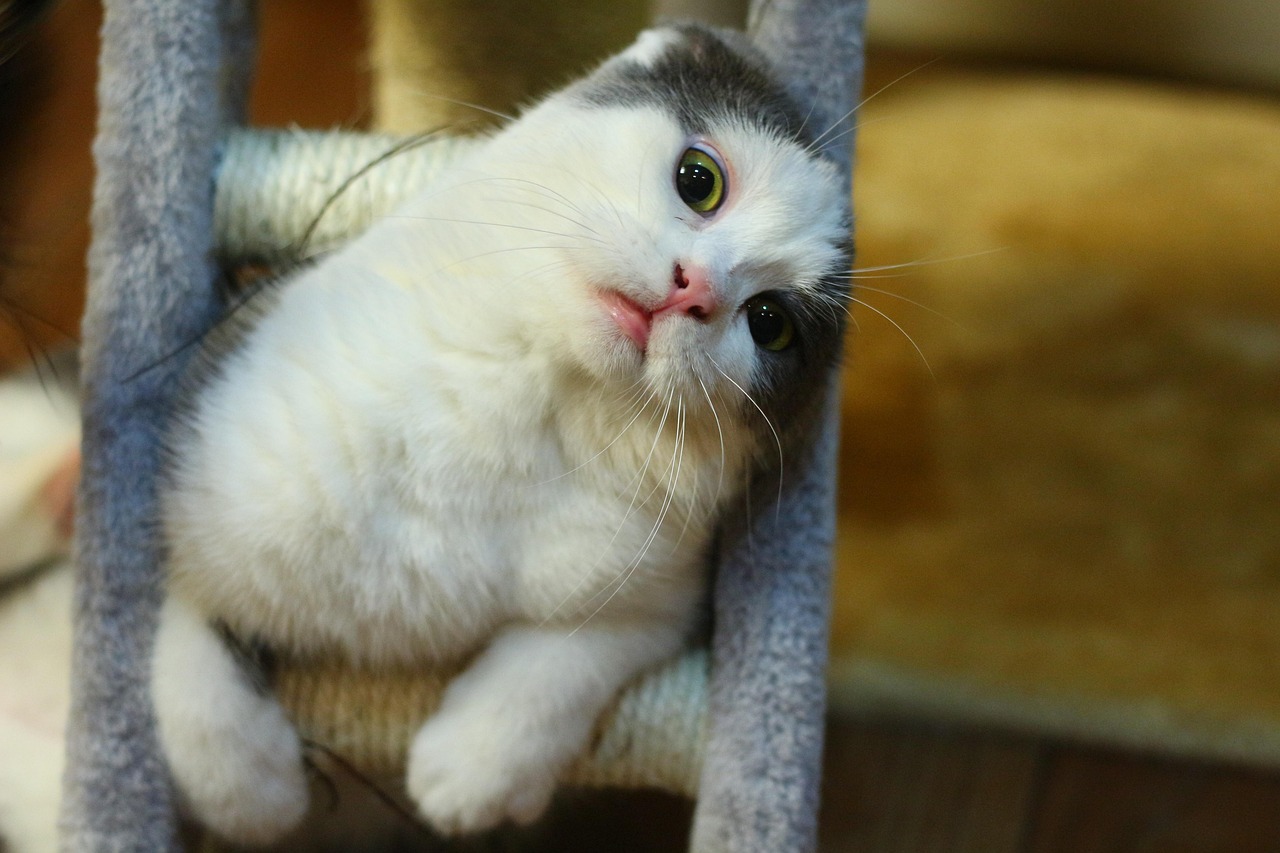

How to Prevent Indoor Cats from Trying to Escape
Training your cat to stay indoors is crucial for their safety and your peace of mind. It is important to understand that cats possess a natural curiosity and instinct to explore their surroundings. To prevent escape attempts, create a stimulating indoor environment. Provide a variety of toys, scratching posts, and climbing trees to keep them entertained. You should consider investing in window perches as well, which allow them to observe the outdoors safely. Additionally, engaging your cat in regular play sessions can help release their energy and reduce the desire to wander. Every cat has unique preferences; hence, you should experiment with different activities to discover what captivates yours the most. Remember, indoor cats live longer, healthier lives than those who roam outside freely. It also reduces the risk of accidents or confrontations with other animals. If your cat seems particularly restless, try to involve them in training exercises or tricks to focus their energy constructively. Rewarding positive behavior with treats will greatly enhance the training process and encourages them to remain indoors. Monitor your cat’s environment continually to ensure it remains engaging and satisfying for them.
Understanding Your Cat’s Behavior
Cats are known for their independent nature, but their behavior can sometimes be confusing, especially when it seems they want to escape outdoors. Understanding the reasons behind this behavior is essential. Instinctively, cats may feel drawn to explore their territory and hunt, making it important to provide essential avenues for mental and physical stimulation. Cats may also attempt to escape due to stress, boredom, or changes in their environment. To minimize stress, maintain a stable routine, and avoid sudden changes that may unsettle them. Ensure there are multiple cozy resting spots, places to hide, and interactive toys readily available. Scratching posts or climbers also help convince your cat that staying indoors provides ample entertainment. If you have multiple pets, social dynamics can impact how your cat behaves. It’s crucial to closely observe interactions and provide personal space, as necessary, to reduce anxiety. Always offer opportunities for secure exploration within the house. For instance, introducing cat-friendly windows or doors with screens can satisfy their curiosity without jeopardizing their safety. Remember to create a positive indoors experience to discourage escape attempts.
Providing adequate exercise is paramount for keeping your indoor cat healthy and happy. Regular physical activity not only prevents boredom but also combats obesity, which is a common issue in indoor cats. Schedule daily play sessions that last for at least 15 to 20 minutes, focusing on interactive toys like feather wands, laser pointers, or small balls. Rotating different toys every few days can maximize interest and engagement. Ensure that you spend quality time with your cat, reinforcing your bond while allowing for exercising. Apart from playtime, consider setting up obstacle courses or puzzles that require them to think and explore their surroundings. Additionally, cat trees can provide climbing opportunities, promoting natural instincts while they stay indoors. Be attentive to your cat’s energy levels; some may prefer short bursts of activity, while others might enjoy a marathon of play. Implementing this structured play routine not only helps redirect their desire to explore outside but also creates mutual enjoyment. Cats thrive on variety, so be creative with your approaches to keep them moving and prevent escape attempts. A tired cat is less likely to be interested in leaving the confines of their secure home.
Creating Safe Indoor Spaces
Creating a safe indoor environment for your cat is essential to keeping them happy and secure. Begin by removing any potential hazards, such as toxic plants, exposed electrical cords, and small objects they might swallow. Additionally, make sure all windows and balconies are secure, specifying screens to prevent them from escaping. Providing a safe haven or sanctuary within your home can also ease your cat’s anxieties. Create cozy spots where they can retreat during stressful situations, utilizing cat beds, blankets, or enclosed spaces they can call their own. Ensuring your home has plenty of vertical space allows cats to express natural climbing instincts while remaining safe. Cat trees or shelves designed specifically for cats enable them to survey their surroundings from a height while feeling secure. Place food and water stations in different rooms, ensuring easy access throughout the day. Engaging with your cat and providing them with plenty of affection and attention will strengthen your bond, making them less inclined to seek freedom. A positive, stress-free environment will significantly decrease the likelihood of your cat attempting to escape, as they will feel content in their indoor living space.
Training your cat to manage their instinctual behaviors may take time and patience, but it is immensely rewarding. Start by using positive reinforcement techniques to teach your cat specific commands that promote staying indoors. Utilize rewarding behaviors, such as treats, praise, and affection, to create a positive association with remaining inside. For instance, calling your cat’s name when they come to you will reinforce their behavior to stay near you. Also, practice creating structured routines that include feeding schedules and playtime. This routine will cultivate trust and security, assuring them it’s enjoyable to be inside. Make sure to engage your cat in activities that mimic their natural hunting instincts, like toy mice or feathered toys. Another effective method is using a clicker when they display desired behaviors, reinforcing this concept over time. Patience is key, as some cats may take longer to adapt to the idea of staying indoors. Consistency in your approach will foster a dependable environment that encourages your cat to remain happily inside instead of being tempted by the potential adventure that lies outside your door.
Using Deterrents Effectively
If your cat continues to show signs of trying to escape despite your best efforts, implementing deterrents can be beneficial. These measures should not harm your cat, nor should they create distress. Start by employing visual deterrents around windows and doors, such as reflective strips or clings that discourage jumping. Utilizing citrus-scented sprays can also prevent cats from approaching specific areas as many felines dislike these odors. Additionally, creating barriers such as baby gates or door guards can effectively limit access to exit points when guests come over. You can also place motion-activated devices that emit a sound or harmless spray to deter your cat from reaching escape points. Another approach is to keep the curtains closed or blinds drawn when reinforcing boundaries. Make sure to regularly monitor your cat’s behavior and adjust your methods as necessary, ensuring they don’t feel punished or uncomfortable. Deterrents should serve as reminders for your cat that their home is the safest place to be. Understanding what works best for your cat will support your overall goal of preventing escape attempts, allowing them to enjoy their safe indoor life.
Finally, staying consistently engaged with your indoor cat is crucial to ensuring their well-being and reducing any desire to escape. Schedule regular vet visits to monitor their health, adjusting diet or exercise routines as necessary. Pay attention to any behavioral changes that may indicate stress or boredom. Include various enrichment strategies such as puzzles or feeding toys that stimulate their minds while helping to alleviate anxiety. Foster an emotional connection through gentle petting or grooming sessions, thereby reinforcing feelings of comfort and trust. Consider adopting a second cat if your lifestyle allows to provide companionship and extra entertainment for your first cat. Always supervise interactions between pets, and ensure they are compatible before providing a long-term solution. Anticipate seasonal changes, and make arrangements for additional stimulation in cases where outdoor access may seem more appealing. Ultimately, providing your cat with love, care, and stability reduces the chances of escape. A happy cat will thrive within your home, appreciating all the comfort and safety it provides them.