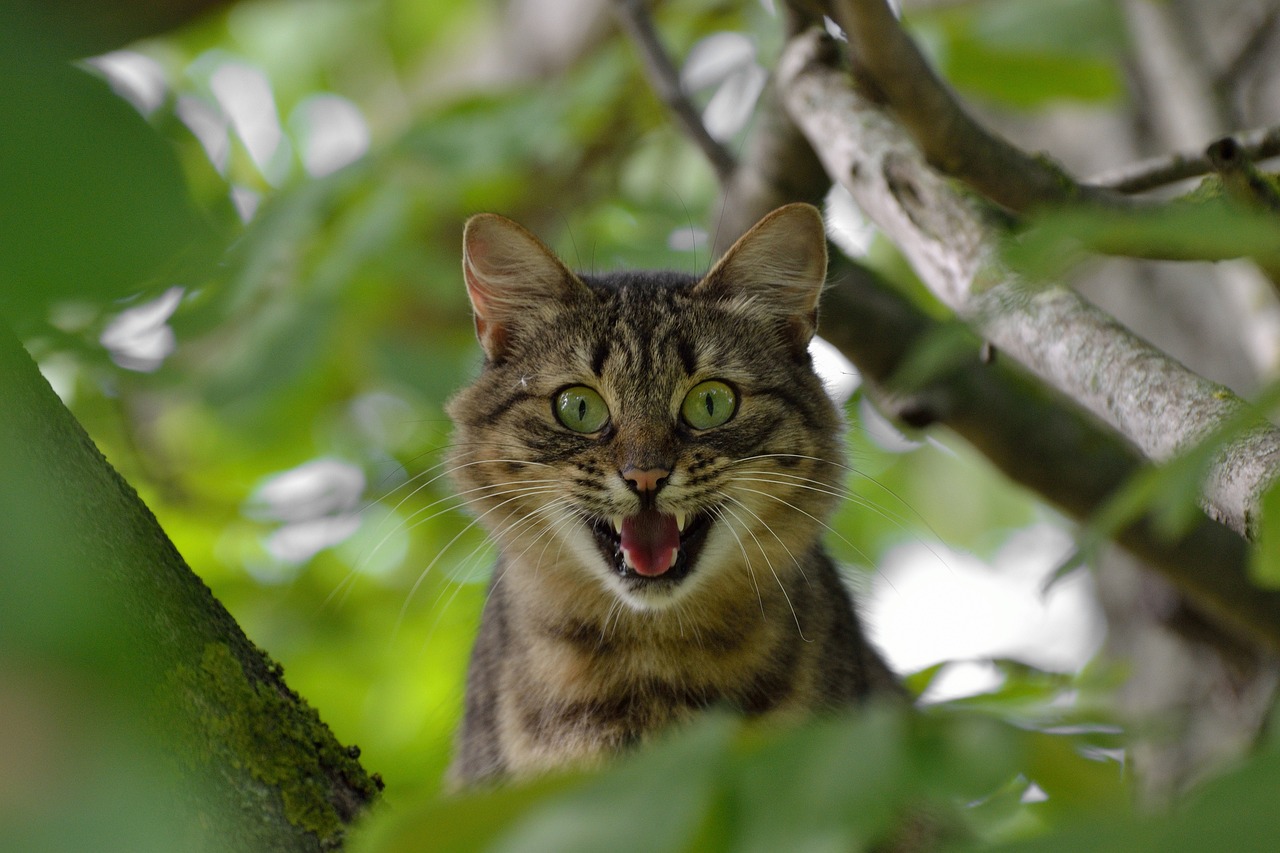

How Stress Influences Aggressive Behavior in Cats and Dogs
Understanding the influences of stress on aggression in multi-pet households is essential for a harmonious living environment. Aggression can manifest between cats and dogs, leading to conflicts that may escalate over time. Stressful situations like moving to a new home or introducing a new pet can cause behavioral changes in both species. Cats, for example, are sensitive to environmental changes, while dogs may react to perceived threats. Discovering the root causes of this aggression is vital for addressing the problem effectively. Managing stress can help alleviate tensions and improve the relationship between pets. Providing safe spaces for pets to retreat to when feeling threatened can greatly reduce their anxiety levels. Additionally, training can play a significant role in mitigating aggressive behaviors. Techniques that involve positive reinforcement create trust, paving the way for peaceful coexistence. Observing body language and vocalizations can help guardians identify when stress begins to escalate. Teaching a consistent routine can provide an overall sense of stability, significantly lessening stress. Ensuring each pet receives individual attention is crucial for maintaining their well-being and preventing aggression caused by jealousy or competition.
Stress is a key factor that contributes to aggressive behavior between pets in multi-pet households. When animals feel threatened or uneasy, they may resort to aggression as a defense mechanism. Cats typically exhibit stress through hiding and vocalizations, while dogs may bark or growl. It is crucial for pet owners to recognize the signs of stress early. Some common indicators include changes in eating habits, excessive grooming, or uncharacteristic behaviors. Providing comfort through environmental enrichment can be extremely beneficial. This might include engaging toys or designated quiet areas. Additionally, using pheromone diffusers or calming collars can create a more soothing atmosphere. Building socialization among pets gradually can minimize stress and the potential for conflict. Introducing new pets slowly and allowing positive interactions can lead to better relationships. In multi-pet situations, ensuring each animal has adequate resources—like food bowls and resting places—also prevents competition and territorial disputes. Moreover, regular veterinary check-ups reassure pet owners about their animals’ health. A healthy pet is often a less aggressive pet. Guardians must maintain vigilance to detect early signs of stress in their pets, facilitating timely intervention and support.
The decline in resource availability within a multi-pet household frequently contributes to anxiety and aggression. When pets feel that their access to essential resources, such as food, water, or resting spaces, is threatened, they may react aggressively. Ensuring ample resources can help provide a safer environment. For example, providing separate feeding stations reduces competition during meal times. Additionally, more litter boxes can alleviate stress among cats, who are particularly sensitive about their toileting needs. Pets may also exhibit aggression over toys or other belongings, necessitating adequate supplies to minimize conflict. Creating designated areas for each pet fosters a sense of ownership and reduces stress. Controlling the interaction during playtime is beneficial, as this can prevent territorial disputes. Socialization and training play significant roles in shaping positive interactions among pets. Teaching them to coexist through structured playtime can lead to fulfilling relationships over time. Furthermore, observing pets during these interactions reveals patterns that can identify triggers for aggression. Intervening before escalation occurs can help break the cycle of aggression. Fostering bonds between pets involves patience, consistency, and a keen understanding of each animal’s personality and social needs.
Understanding Behavioral Triggers
Observing behavioral triggers is essential in managing aggression in multi-pet households. Certain situations or environments can provoke stress, resulting in aggressive displays. It is paramount for owners to be aware of these triggers to ensure timely intervention. For instance, loud noises or sudden movements may unsettle cats and dogs alike, leading to an increased likelihood of aggression. Identifying these triggers can be achieved by maintaining a journal of interactions and behavioral patterns. Each pet’s background should also be considered; rescues often come with histories that may include trauma. Understanding each pet’s unique predisposition to stress is crucial. Additionally, recognizing how individual personalities influence interactions can provide insights into minimizing potential aggression. Pets may engage in territorial disputes when new arrivals enter the household or during environmental changes. Implementing slow introductions helps alleviate intense stress reactions and fosters an atmosphere conducive to bonding. Training sessions focused on reinforcing calm behavior around other pets can help reduce aggressive tendencies. Ultimately, learning to identify patterns allows pet guardians to create a more stable atmosphere, reducing aggression among furry friends. Regularly reviewing these factors increases the likelihood of creating a peaceful multi-pet environment.
Environmental factors play a significant role in shaping pet behavior within multivariate households. Over-stimulation from various sources can amplify stress levels in both dogs and cats. Noise pollution, such as loud music or clattering from household activities, can be particularly unsettling. Designating quieter areas for pets, away from these disturbances, allows them to retreat when feeling overwhelmed. The physical environment, including layout and space allocation, impacts the interactions amongst pets significantly. Often, overcrowded environments lead to heightened competition and potentially aggressive encounters. Spaces that allow pets to assert territories comfortably can significantly minimize conflicts. Moreover, maintaining a clean and organized environment contributes to overall pet well-being. Routine cleaning and decluttering can help pets feel secure. Natural elements, such as plants or sunlight, can also boost their mood. Regular playtime and mental stimulation alleviate stress and promote bonding among pets. Activities like agility courses or puzzle feeders can keep them entertained and focused. Changing the environment periodically, such as rearranging furniture, can also refresh their perspective and spark their curiosity. Ultimately, cultivating a stress-free atmosphere can substantially reduce aggressive behaviors and strengthen the bond among the pets in the household.
Implementing Effective Management Strategies
Implementing effective management strategies is key to minimizing aggression in a household with multiple pets. Behavioral training should be employed regularly to reinforce boundaries and promote positive behavior. Utilizing techniques like clicker training or obedience classes establishes a cooperative relationship among pets. Furthermore, visual cues and consistency in commands encourage pets to respond effectively, reducing instances of aggression. Providing regular, structured routines helps pets feel more secure and reduces anxiety levels. Scheduled feeding times and play sessions diminish uncertainty, promoting psychological comfort. Enrichment activities can also alleviate stress; toys that stimulate their minds can distract them from potential frustrations. Scheduling supervised interactions ensures that boundaries are clear while allowing for social bonding. Introducing new pets requires a carefully planned approach; gradual introductions can substantially reduce hostility. Moreover, consulting with a veterinarian or a professional behaviorist may provide tailored solutions for specific challenges faced in multi-pet households. If aggression persists despite management efforts, re-evaluating the home environment or investigating medical concerns may be necessary. By addressing these issues proactively, pet guardians can shape a peaceful multi-pet dynamic enhancing the quality of life for every animal involved.
Lastly, maintaining an open line of communication with involved family members and caregivers is crucial when managing multi-pet households. Ensuring that everyone is on the same page about strategies and methods helps create a consistent approach to pet care. Shared responsibilities in maintaining routines and interventions enhance cooperative behaviors among pets. Regular meetings can allow for discussions on pet observations, and any new behaviors should be addressed promptly. Encouraging family members to participate in training sessions nurtures a harmonious dynamic among pets. It fosters feelings of sécurité and affirmation for the pets involved when they witness collective efforts from their human companions. Keeping training techniques uniform across different handlers minimizes confusion for animals. Additionally, engaging with a supportive community may provide valuable resources and insight into effective multi-pet coexistence strategies. Online forums and local pet support groups can be excellent tools for sharing experiences and advice. Guardians can also access educational content to better understand pet behavior and anxiety management strategies. Remember, patience and perseverance in these efforts often lead to significant improvements, ensuring a peaceful and joyful living environment for all furry family members.
In conclusion, effectively managing aggression in multi-pet households requires a comprehensive understanding of stress factors. By recognizing behavioral triggers, developing effective management strategies, and fostering a stress-free environment, guardians can significantly enhance the quality of life for their pets. Each component plays a role in improving relationships among animals and can ultimately result in a harmonious household. Open communication amongst family members and a commitment to ongoing education empowers guardians to create a nurturing atmosphere for pets. By implementing these insights and strategies, owners can pave the way for healthier interactions and less aggressive behavior. Educational resources on animal behavior can be invaluable tools in achieving these aims.