
How to Prevent Common Dog Injuries at Home
Ensuring your dog stays safe at home requires awareness and proactive measures. One common way dogs get injured is by ingesting unsafe items. To protect your furry friend, keep harmful substances out of reach. Foods like chocolate and grapes can be toxic to dogs. Also, store household cleaners and medications in secured cabinets. Always dispose of hazardous waste properly, such as broken glass or sharp objects. Create a designated area where your dog is allowed to roam freely. Familiarize them with this safe space. Regularly inspect your yard for any potential hazards, such as sharp tools or toxic plants. Use gates to limit access to unsafe zones in your home. Additionally, invest in dog-proofing tools that can help prevent accidents. For example, childproof latches can secure cabinets. Consider using non-slip mats in areas where your dog might slip. Keeping the environment clean and organized can significantly reduce the risk of injury. When guests visit, ensure they are aware of your dog’s boundaries and any items that could harm them. With attention and care, you can create a safe and happy home for your beloved pet.
Another critical aspect of dog safety is recognizing hazardous objects within your living space. Your dog’s curiosity can lead them to investigate items that may pose a risk. Common household items, ranging from electrical cords to small toys, can lead to injuries or choking hazards. To minimize these risks, conduct a thorough walkthrough of your home. Remove any cords that your dog might chew on, using cord organizers to keep them tidy and out of reach. Ensure all toys are of a suitable size and free from small parts that can be swallowed. Avoid leaving your dog’s toys scattered around the house to prevent accidents. If you have children, teach them to put away their toys after playtime. This prevents your dog from picking up items that are not dog-safe. Additionally, consider using storage bins to keep toys organized and reduce clutter. Regularly check your dog’s play area for any items that could be harmful. Substituting unsafe toys with durable chew toys designed specifically for dogs can be a wise choice. Maintaining a well-organized and safe environment is crucial for minimizing common dog injuries at home.
Creating a Safe Environment for Your Dog
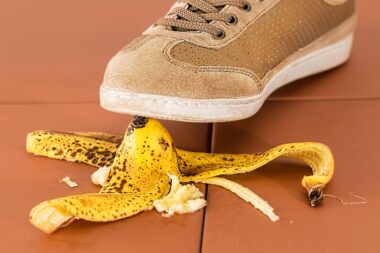
Creating a safe environment for your dog also means being cautious with furniture and flooring. Sharp edges and unstable furniture can lead to injuries if your dog runs or jumps around carelessly. Consider investing in corner guards to cover sharp corners on furniture and edges. In addition, choose pet-friendly furniture materials that are durable and easy to clean. Rugs and carpets should have non-slip backing to prevent slipping injuries when your dog runs. If you have a pool or an outdoor water source, ensure it’s fenced off to prevent accidental drowning. Always supervise your dog around water, as many accidents occur due to lack of supervision. If your dog loves to jump, consider using a life vest designed for dogs to provide extra security. Create safe zones for your dog where they can relax without worry. Keeping items they can chew on close by, such as designated chew toys, can help distract them from inappropriate items. Remember, safety is paramount, and prevention is key in ensuring your canine companion remains uninjured during their daily activities at home.
Regular veterinary check-ups are essential for maintaining your dog’s health and safety. Ensure vaccinations are up to date, as this can prevent injuries and illnesses caused by preventable diseases. Your veterinarian can also provide insights into specific risks associated with your dog’s breed and age. For instance, some breeds may be more prone to specific injuries that require preventive measures. Speak openly with your vet about your concerns regarding your dog’s safety. They may recommend safe exercise practices to reduce the risk of injury. Exercise is crucial, but it requires proper management to avoid accidents. Teach your dog basic commands such as sit, stay, and come, which can help keep them safe in various situations. Training your dog to respond to commands effectively helps in hazardous situations, such as if they are about to run into traffic. Additionally, consider enrolling your dog in training classes, where they can learn new skills in a safe environment. The effort invested in training not only ensures immediate safety but also enhances the bond between you and your dog, making them happier and more secure as they navigate their home environment.
Managing Outdoor Safety
While indoor safety is critical, outdoor environments pose unique risks for dogs. Supervision becomes vital when your dog is outdoors, especially in uncontained spaces. Fencing is crucial to keep your dog from running away and getting into dangerous situations. Ensure fences are in good condition and tall enough to prevent jumping. Regularly check for gaps or holes in fencing where your dog might escape. If you’re in an area with wildlife, consider additional fencing measures to keep such encounters at bay. Additionally, using a leash when walking your dog ensures they stay close and reduces the risk of accidents caused by wandering dogs or vehicles. Choose a suitable leash and collar that fit your dog well to avoid slipping out of them. Always keep identification tags on your dog in case they get lost, containing your contact information. Microchipping is another excellent safety measure that can help reunite you with your dog quickly if they wander off. Teaching your dog recall skills is equally important for their safety during outdoor adventures and helps keep them safe in unpredictable situations.
Aside from physical hazards, dogs can also be affected by environmental dangers. Weather conditions can pose serious risks to your dog, so keep an eye on the temperature and humidity levels outside. Dogs can suffer from heatstroke if left outside in excessively hot weather, so ensure they have access to shade and water. Cold temperatures can lead to frostbite or hypothermia, especially in small or short-haired dogs. Monitor your dog’s behavior during weather extremes, and provide a comfortable space indoors if necessary. Additionally, be aware of seasonal dangers like salt and chemicals used for de-icing roads during winter. These substances can be toxic to dogs if ingested, so wipe your pet’s paws after walks. During summer, check for harmful plants in your garden or on walks, such as mushrooms and certain flowers that can cause toxicity. Organizing your dog’s outdoor routine with weather and seasonal hazards in mind protects their health and ensures they enjoy safe playtime. Providing a protective and loving environment requires attention to various safety details in and around your home.
Emergency Preparedness for Dog Owners
Finally, having an emergency plan in place can be a life-saver in critical situations. Firstly, always have a pet emergency kit that includes first aid supplies, water, food, and medications. Store a copy of your dog’s medical history and contact information for your veterinarian. This plan becomes essential during natural disasters or sudden health emergencies. Familiarize yourself with basic first aid for dogs to manage minor injuries effectively. Invest time in understanding the signs of common illnesses and injuries, as early detection can be life-saving. In case of a medical emergency, having a nearby veterinary clinic and an emergency plan can provide peace of mind. Practice what you would do if an emergency arises, including identifying safe locations and transportation means for your dog. In addition, teaching family members how to handle emergencies with dogs is crucial. Ensure everyone understands how to treat minor injuries and where to find essential supplies. Preparedness not only alleviates anxiety but also strengthens the bond you share with your pet, ensuring their safety and well-being in times of need.
By implementing these strategies and being proactive, you can significantly reduce the risk of common dog injuries at home. Dog safety isn’t merely about avoiding harm; it’s about fostering an environment where your dog can thrive. Regularly update yourself on dog safety measures and make adjustments as needed. Engage with your dog through playful interactions and regular training sessions to build a strong relationship. Remember, a happy dog is a safe dog, as they are more likely to listen to commands and stay out of hazardous situations. Always remain vigilant for new potential risks that could arise in your home. By paying attention to your dog’s behavior and nature, you can anticipate and mitigate risks. Giving your furry friend a secure environment, ensuring that they remain safe and happy, which in turn reflects on your wellbeing. Dog safety and happiness should go hand in hand, creating a symbiotic relationship. Share your knowledge and experiences with fellow dog owners to promote a safer community. By supporting each other and exchanging tips or approaches, we enrich the lives of our beloved pets and ensure better safety overall.