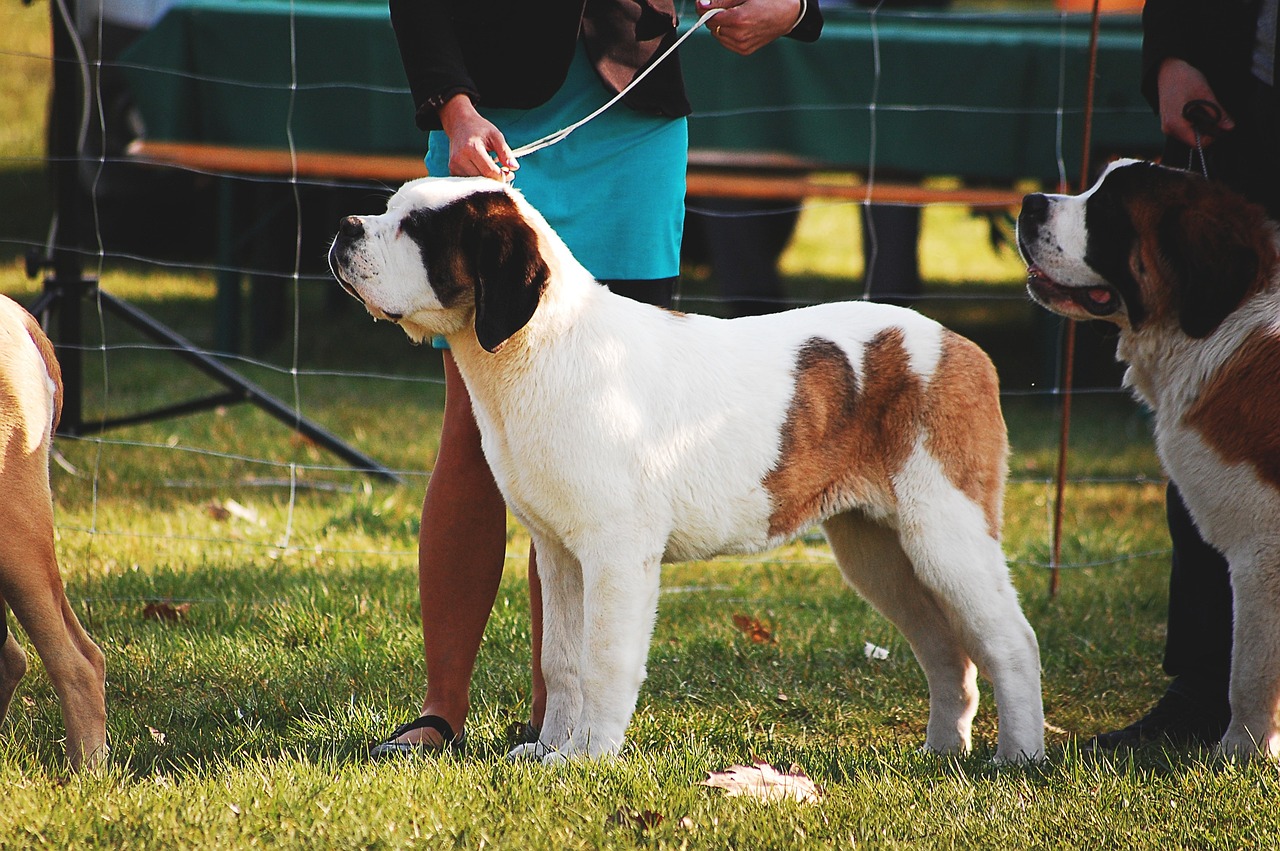

Training Techniques for Junior Handlers in Dog Shows
Junior handlers play a crucial role in the world of dog shows. They are young enthusiasts who not only showcase dogs but also learn essential skills that can last a lifetime. Understanding the responsibilities and skills required is fundamental. The primary goal of junior handlers is to present their dogs to judges effectively. This includes knowing how to walk with the dog, maintaining the right posture, and ensuring that the dog appears at its best. Junior handlers must be comfortable and confident in their abilities. Moreover, learning how to care for the breed they are showcasing is essential. This involves grooming techniques, understanding breed characteristics, and practicing commands consistently. Establishing a strong bond with the dog is equally important. A handler must learn patience and consistency when working with a dog. Encouraging specific behaviors through positive reinforcement can improve a junior handler’s ability. With practice, junior handlers can make substantial progress in mastering their skills and preparing for competitions. They benefit greatly from mentorship and attending training classes, which can foster both confidence and competence.
In addition to foundational skills, mastering the art of presentation is essential for junior handlers preparing for dog shows. This involves understanding ring etiquette, which is crucial for success. Junior handlers must know when and how to move in the ring while ensuring the dog is in the best position. Timing plays a key role during competitions, as judges observe handlers closely. Learning effective communication techniques is also necessary for presenting the dog’s strengths. Handlers should be aware of how their body language can affect a dog’s performance. They can practice techniques to reflect calmness and confidence, influencing the dog’s demeanor positively. Furthermore, practicing different gait patterns ensures that handlers are prepared for various judging styles. Developing these skills takes time, but junior handlers who practice diligently often excel in performance. Utilizing mock shows is beneficial, as it allows handlers to experience competition-like environments without pressure. In these setups, they can make mistakes and learn without the added stress of an actual competition. Juniors must also receive constructive feedback from experienced handlers or trainers to refine their skills.
Building a Supportive Environment
Creating a supportive environment is vital for junior handlers. This includes strong encouragement from parents, trainers, and peers. Parental support can greatly influence a child’s motivation and willingness to participate in dog shows. Parents play a role in logistics, ensuring that their child and dog arrive at training or competitions prepared and on time. Families that engage together in these activities often foster positive relationships. Moreover, junior handlers can greatly benefit from mentorship programs. Experienced handlers can share invaluable insights and skills that can enhance a junior’s understanding of the process. Many clubs and organizations offer programs specifically designed for junior handlers. This community involvement can help build confidence and create lasting friendships. Joining a local dog club offers practical opportunities for learning and networking. Also, junior handlers should embrace the joys of learning from both triumphs and setbacks. Celebrating achievements, no matter how small, helps maintain enthusiasm. It is also crucial to remind juniors that dog shows encompass fun and camaraderie over competitiveness. They should focus on both personal and canine growth while remaining grounded.
Another important technique for junior handlers is learning how to handle nerves in high-pressure situations. Dog shows can be intimidating, especially for first-time participants. Techniques like deep breathing and visualization can help manage anxiety effectively. Participating in preparation activities and mock competitions can also desensitize handlers to the stress of real events. Additionally, practicing with friends or familiar dogs can create a more comfortable atmosphere for handlers. Handlers must learn to adapt their approach based on their dog’s mood and reactions. Understanding canine behavior allows handlers to adjust their strategies effectively. Clear, calm communication with their dog can foster a relaxed environment during shows. Developing a routine before entering the ring can also help alleviate nervousness. Some handlers may find it beneficial to have a consistent warm-up routine that includes particular skills and commands. Providing reassurance to the dog is equally important as being calm helps the dog feel more secure. Ultimately, developing coping strategies can determine a junior handler’s success and enjoyment at dog shows. These practices not only improve performance but also build lifelong skills in handling stress.
The Importance of Positive Reinforcement
Positive reinforcement is a powerful training technique that junior handlers should implement. Dogs often respond best to training methods that reward desired behaviors. This not only encourages good behavior but also builds a strong connection between the dog and the handler. Various reward types such as treats, verbal praise, or toys can motivate dogs effectively. Finding what motivates a particular dog can enhance training sessions significantly. Consistent reinforcement is essential; handlers must reward behaviors as soon as they occur to create strong associations. Timing helps the dog understand what behavior is being encouraged. Handlers should focus on rewarding small, incremental achievements during training sessions to maintain motivation. Additionally, junior handlers should learn to remain patient, recognizing that every dog learns at their own pace. Celebrating mini milestones can help build confidence for both the handler and the dog. As the handler builds skills, they may use more complex training tasks, necessitating even more rewards. This creates a positive feedback loop, where dogs strive to achieve more for their handler. Overall, it creates a loving and encouraging environment conducive to success in dog shows.
Consistency in training is another fundamental aspect for junior handlers engaging with their dogs. Developing a structured training regimen ensures that the dog knows what to expect during each session. Handlers must establish specific signals for commands, as this clarity aids in learning. A consistent approach reinforces both the dog’s training and the handler’s ability to communicate. Scheduling regular training sessions boosts routine and familiarity, ensuring gradual progress over time. Furthermore, handlers must be adaptable, recognizing that each dog may require a unique approach. Recording progress can also help handlers understand what works best for their dog. Challenges may arise during training, and flexibility allows handlers to adjust their methods accordingly. Techniques used one day may yield different results another day based on the dog’s mood or environment. Handlers should not hesitate to revisit previous techniques if a dog struggles with new tasks. Building consistency also extends to the handler’s behavior inside and outside the ring. How handlers interact with their dogs during training can influence their performance during competitions as well. Fostering a reliable bond is crucial, as it motivates both parties to succeed together.
Conclusion and Future Perspectives
In conclusion, training junior handlers in dog shows is a multi-faceted endeavor requiring dedication and a positive attitude. Effective training techniques provide invaluable tools for success. Both handlers and their dogs benefit from clear communication, nurturing bonds, and consistent practice. Fostered relationships between handlers and dogs can transform competition days into enjoyable experiences. As participants gain experience, they can also pass their knowledge to younger generations, enriching their community. Observing seasoned handlers and trainers creates learning opportunities that further enhance their skills. Moreover, junior handlers should remain open to constructive criticism, as this can guide future improvements. Participating in seminars, workshops, and training camps can broaden their understanding of dog behaviors and competitive strategies. The journey through dog shows builds lifelong friendships and skills, even beyond the competition. Junior handlers learn resilience, patience, and empathy. These attributes not only contribute to their success in shows but also shape their character in daily life. Nurturing the next generation of enthusiastic handlers ensures the continued vibrancy of the dog show community. By investing in junior handlers today, we pave the way for exciting futures in dog shows.
Ultimately, the training techniques for junior handlers in dog shows open a world of possibilities. By emphasizing the importance of commitment, consistency, and communication, handlers can forge deep connections with their dogs. They can thrive in a supportive environment created by trainers, families, and communities. Each element of their training reinforces a culture of positive engagement and improvement. As handlers hone these skills over time, they can look forward to the challenges and joys of dog shows ahead. With diligence and passion, junior handlers not only benefit their dogs but also contribute meaningfully to the dog showing world.