
Common Parasites in Dogs and How to Prevent Them Over Time
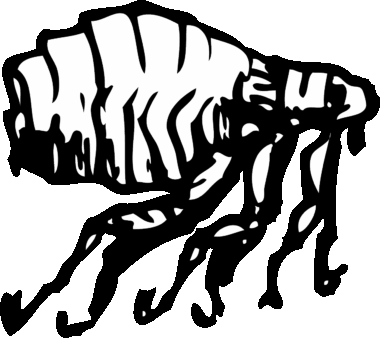
Parasites can significantly affect the health of dogs and pose a threat to their wellbeing. Common parasites affecting dogs include fleas, ticks, and worms. Fleas can cause itching and skin infections, while ticks are known to transmit serious diseases such as Lyme disease. Worms such as roundworms, hookworms, and tapeworms can lead to gastrointestinal issues and are often present in their environment. To effectively manage parasites, owners must adopt long-term strategies. Regular veterinary visits for check-ups are crucial, as a vet can identify potential parasite infestations and recommend appropriate treatments. Furthermore, maintain a consistent flea and tick prevention regimen to protect your dog from harmful infestations. For worms, regular fecal examinations can detect issues early. Additionally, maintaining a clean living environment, including regular grooming, is essential. Ensure that your dog is given preventive medications according to your vet’s advice. Education on recognizing symptoms of parasites will allow you to detect problems early. This ongoing management is critical to ensure your dog’s long-term health and happiness.
Understanding Different Types of Dog Parasites
When considering parasite management in dogs, understanding the different types that can affect your pet is critical. Among the most common are external and internal parasites. External parasites mainly include fleas, ticks, and mites, while internal parasites encompass various types of worms, such as heartworms and intestinal worms. Fleas and ticks are often a concern during the warmer months, leading to increased activity outdoors. Internal parasites, on the other hand, can cause severe health issues, including anemia and malnutrition. Heartworms in particular can be life-threatening. Regular veterinary consultations will help in understanding which parasites are prevalent in your area, allowing tailored preventive measures. Additionally, understanding the life cycle of these parasites can aid in adopting appropriate treatments. For instance, knowing that fleas reproduce quickly can encourage prompt action. Remember that while prevention is key, early detection also plays a significant role in successful management. Being informed and proactive can help reduce the risk of parasitic infestations. This knowledge will empower dog owners to better protect their beloved pets.
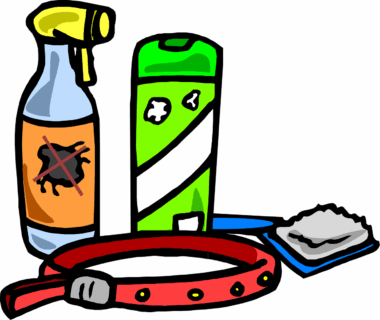
Another crucial aspect of parasite management involves using effective products and medications. Various options exist, including topical solutions, oral medications, and collar treatments, each designed to combat specific parasites. Topical solutions are often easy to apply and can provide long-lasting protection against fleas and ticks. Oral medications can be effective against a variety of parasites, including heartworms and gastrointestinal worms. Furthermore, flea and tick collars are designed for continuous protection and can last several months, making them convenient for many pet owners. It is essential to choose products that are appropriate for your dog’s age, weight, and health status. Always consult with your veterinarian before starting any new medication to ensure the chosen product does not interact with other health conditions or treatments your dog may be undergoing. In addition, the proper application and dosage of these products are paramount for their effectiveness. Adhering strictly to instructions will ensure optimal protection for your dog. Investing in quality parasite control measures ultimately supports the overall health and well-being of your furry friend.
Creating a Clean Living Environment
Another effective strategy for managing dog parasites lies in maintaining a clean living environment. Regularly cleaning your dog’s living space is crucial in preventing infestations. Start by vacuuming carpets, rugs, and furniture frequently to eliminate eggs, larvae, and adult fleas or ticks. Wash your dog’s bedding in hot water to eliminate any lingering pests. Also, consider using flea sprays or powders on carpets and outside areas where your dog spends time. Maintaining a tidy yard helps reduce potential outdoor infestations. By trimming overgrown grass and removing debris or standing water, you decrease the likelihood of ticks and fleas thriving. Additionally, regular grooming is vital for parasite control. Brushing your dog helps in early detection of fleas or ticks and is an essential part of any parasite management strategy. Bathing your dog with vet-approved shampoos enhances cleanliness and provides added defense against parasites. These practices not only help keep parasites at bay but also contribute positively to your dog’s overall health and happiness.
Besides grooming and maintaining cleanliness, understanding the seasons and their impacts on parasitic activity is crucial for effective management. For instance, fleas and ticks are more prevalent during the warmer months, suggesting an increase in preventive measures during this time. Conversely, certain worms can be less active in colder weather, but heartworm prevention should remain a year-round practice due to the possibility of transmission even in cooler temperatures. Adjusting your parasite management strategies according to the season will optimize their effectiveness. Regularly check your dog’s body after outdoor adventures for any signs of parasites, especially ticks. Early removal of ticks can prevent the transmission of diseases. Moreover, the weather can also affect the transmission cycles of various parasites, making it essential to stay informed. By associating specific indoor and outdoor activities with the prevalence of certain parasites, dog owners can anticipate and adapt their parasite management approaches. Collaborating with your veterinarian for seasonal advice on preventatives further enhances protection against parasites, ensuring your dog leads a happy and healthy life.
Recognizing Signs of Infestation
Identifying the early signs of parasite infestation in dogs is essential for prompt treatment. Common signs include excessive scratching or biting at the skin, which often indicates flea infestations. Additionally, if a dog is seen shaking its head frequently or scratching its ears, this could suggest ear mites. During grooming, owners should routinely check for any unusual bumps or skin irritations, which may signify the presence of external parasites. Internal parasites sometimes present more subtle symptoms, such as weight loss, lethargy, or bloated stomach. These signs should prompt immediate veterinary consultation. Regular fecal examinations can assist in identifying undetected internal parasites. Timely action is critical, as parasite infestations can lead to more severe health complications if left untreated. Enhance observation skills by monitoring your dog’s behavior regularly, looking for any sudden changes in appetite, energy level, or overall demeanor. Taking proactive measures and seeking treatment swiftly will keep your dog healthy and happy. Educating oneself about these signs will enable dog owners to become vigilant and responsive regarding their pet’s health.
In conclusion, effectively managing parasites in dogs requires a comprehensive approach that encompasses preventive measures, creating a clean environment, understanding different parasite types, and recognizing signs of infestation. Long-term strategies will enhance the overall well-being of your dog. Regular veterinary visits and consultations are essential for managing parasites and educating owners about the best practices. Additionally, developing consistent routines for grooming and cleaning living spaces can significantly reduce the likelihood of infestations. By staying informed about seasonal changes and how they affect parasites, dog owners can better prepare and respond to potential threats. Collaborating with veterinarians in choosing appropriate prevention products tailored to their dog’s needs is vital. Furthermore, continuous education on recognizing symptoms will empower owners to take prompt action. In this regard, maintaining an open line of communication with your vet ensures a proactive approach to parasite management. By following these strategies, pet owners can create a healthier environment for their furry friends, fostering a happy and long-lasting relationship. Remember, proactive management protects not just your dog but also the household from potential parasites.