
Interactive Toys That Help Reduce Separation Anxiety in Dogs
Separation anxiety in dogs is a common condition that affects many pet owners. It can manifest in various ways, including excessive barking, chewing, and even depression. Effective management of this condition is crucial for the well-being of your furry friend. Interactive toys are designed to keep dogs engaged and stimulated mentally. These toys can provide entertainment and a distraction when you are away from home. They also help develop problem-solving skills that can keep dogs busy for longer periods. Examples of interactive toys include treat-dispensing puzzles, squeaky toys, and plush toys with hidden compartments. Each toy serves a unique purpose, engaging your dog’s curiosity and intelligence. Investing in these toys not only entertains your pet but also helps reduce feelings of loneliness when they are left alone. By engaging with these toys, dogs can channel their energy in a positive way, leading to a smoother adjustment period when you are not around. The right interactive toy can significantly alleviate tension and anxiety for dogs, making it an essential addition to your pet care regimen.
When selecting interactive toys, consider your dog’s size, breed, and individual preferences. Certain toys may be more suited for specific breeds that require more or less stimulation. For example, high-energy breeds like Border Collies or Labrador Retrievers may benefit from toys that challenge their physical and mental abilities. Conversely, smaller, more sedentary breeds might enjoy simpler toys, focusing on comfort rather than strenuous activity. Selecting a toy that matches your pet’s needs ensures a more positive experience overall. Look for durable options that can withstand rough play, as dogs often enjoy chewing and tugging at their toys. Additionally, it’s essential to introduce new toys gradually. This will help your dog adjust and become accustomed to their new interactive partner. Rotate toys to maintain your dog’s interest and prevent boredom. You can also encourage your dog’s natural instincts by hiding treats in the toys or offering rewards for problem-solving. Balancing variety while keeping a mindful eye on your dog’s enjoyment will enhance their experience. Remember that engagement is the key to reducing separation anxiety through these toys.
Types of Interactive Toys
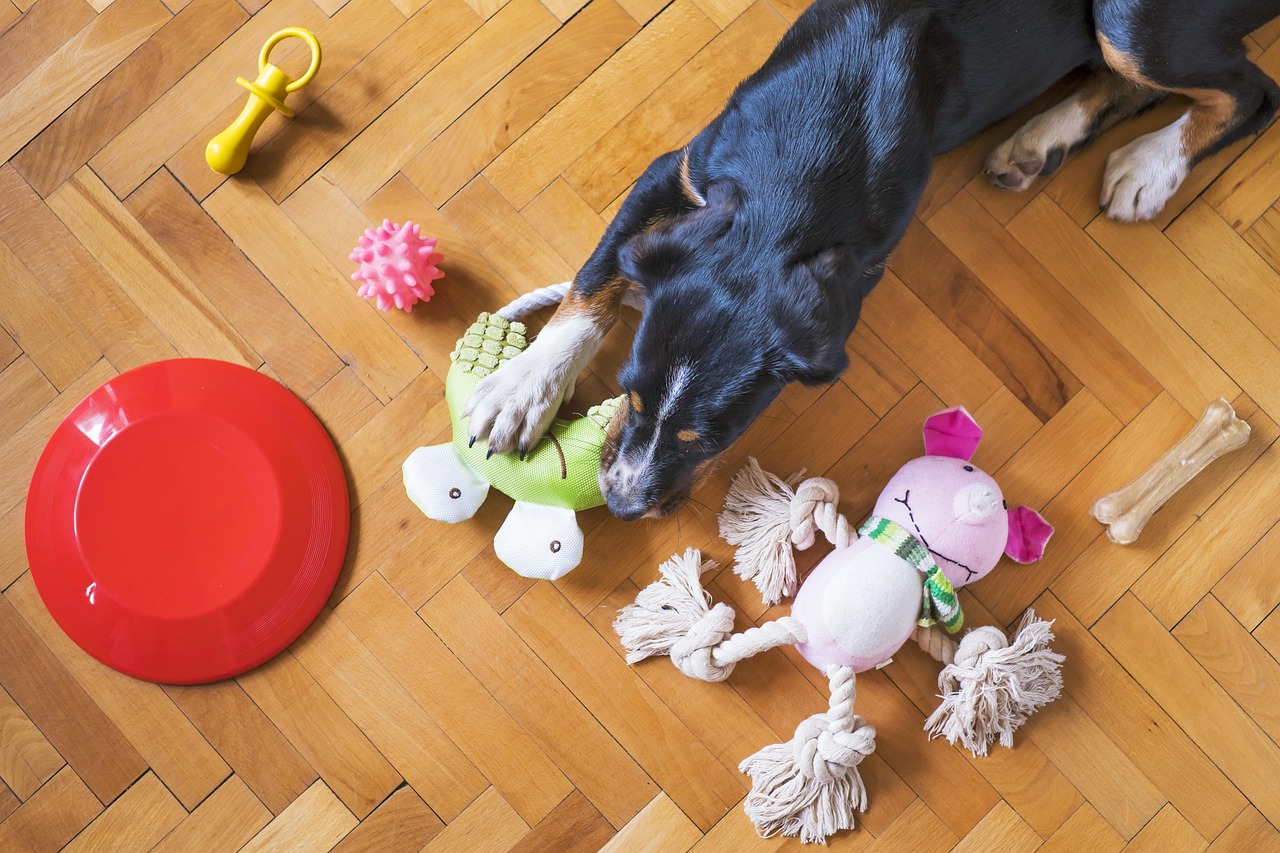
Interactive toys come in a variety of forms to capture and hold your dog’s attention. For example, treat-dispensing toys release kibble or treats as your dog interacts with them. This rewarding playtime can keep your pet occupied, reducing destructive behavior that often arises from anxiety. Puzzle toys involve mental challenges that require your dog to think and strategize to retrieve their reward, encouraging cognitive engagement. Additionally, there are toys designed for tugging and fetching, helping to burn off excess energy and provide much-needed physical activity. Squeaky toys also add an auditory element, enticing your dog to chase and play. Choose toys that cater to your dog’s unique interests. Many dogs love toys that mimic prey animals, like squeaky toys that resemble small animals. As you evaluate options, select items that are safe, non-toxic, and easy to clean. You should also pay attention to the toy’s size, ensuring it is appropriate for your pet’s mouth and size. The more fun and challenging they find the toys, the less anxious they will feel when left alone. Exploring different types can unveil what your pet enjoys most!
Incorporating interactive toys into your dog’s routine can also enhance their overall quality of life. Not only do these toys alleviate anxiety, but they also encourage physical activity, which is essential for maintaining a healthy weight and preventing obesity. Regular physical engagement supports cardiovascular health and strengthens muscles, contributing to longer lifespans. By keeping your dog active, you’re also improving their mood, making them happier companions. Additionally, interactive play can provide mental stimulation, which reduces boredom and the likelihood of engaging in negative behaviors. Furthermore, these toys promote bonding time between you and your pet during play, reinforcing a strong connection. They allow for interactive play sessions that can be both fun and fulfilling. You might discover your dog’s personality traits shining through as they navigate through their toys. Incorporating training practices with toy interaction can also enhance obedience and listening skills. Ultimately, a healthy balance of mental and physical exercise will foster a more relaxed dog, drastically improving their day-to-day happiness and overall stability when faced with alone time.
Safety Precautions
Although interactive toys are beneficial, safety should always be a priority. Carefully inspect any toy before giving it to your dog, checking for loose parts that could pose choking hazards. Toys made of harder materials can sometimes crack or break, creating sharp edges that can injure your dog. Look for toys specifically designed to withstand chewing and rough play, ensuring they are labeled as durable. Always supervise your pets during playtime until you feel confident in their ability to handle the toy safely. You should also be aware of the size of the toy, making sure it isn’t too small for your dog, which could lead to accidental swallowing. Additionally, ensure that any materials used are free from harmful chemicals. High-quality, non-toxic choices should be prioritized for the safety and health of your beloved pet. If your dog is particularly aggressive with toys, consider rotating toys often to prevent wear and tear. Reducing the risk of injury should be your foremost concern, providing your dog an enjoyable and safe interactive experience daily. This approach puts your pet’s health and well-being above all else!
In addition to safety precautions, it’s important to regularly clean interactive toys to ensure your dog’s health. Bacteria and germs can accumulate, especially in toys that involve food or slobbery play. Many plastic toys are dishwasher-safe, allowing for easy cleaning. If the toy has fabric components, washing it according to the manufacturer’s instructions will help maintain cleanliness. Even for more durable toys, routine inspection for wear and tear is vital to ensure longevity. Discard any toys that show signs of serious damage as they pose risks to your dog’s safety. It’s also a good idea to designate a specific area for play with interactive toys. This can help keep your living space clutter-free and create an environment where your dog can enjoy their toys without causing mayhem in other areas. Additionally, utilizing the toy in a controlled space helps you monitor your pet while they explore. Doing so enhances bonding time and ensures an active play session that counters feelings of solitude, ultimately mitigating separation anxiety to create a happier and calmer dog overall.
Combining Interactive Toys with Training
Combining interactive toys with training can create a more enriching environment for your dog. The act of training encourages your pet to think and engage actively. Start by incorporating simple commands and rewarding them with toy play when they respond correctly. Doing so can reinforce good behavior and help solidify their skills. Utilizing interactive toys as motivational tools during training sessions can also enhance your dog’s desire to participate. They start associating the toy with positive experiences, making learning more enjoyable. As your dog excels with basic commands, you can gradually introduce more complex challenges. This approach not only stimulates their brain but also builds confidence in their abilities. Incorporating training routines several times a day—even in short, five- or ten-minute sessions—can yield remarkable benefits. The balance between fun and discipline should enhance their emotional well-being while also ensuring they remain engaged in their surroundings. Transforming training into an interactive experience fosters stronger communication between you and your dog, leading to a happier and healthier lifestyle. A well-trained dog will likely exhibit less anxiety, ensuring a smoother transition during alone time.
Ultimately, investing in interactive toys reduces separation anxiety while allowing your dog to reach their full potential. Dogs are social creatures that deserve companionship, stimulation, and mental engagement. Therefore, choosing the right toys is a fundamental aspect of responsible pet ownership. As your dog learns to self-entertain, they will gradually feel less anxiety during separation time. Incorporating these toys into your daily routine not only distracts but also enhances their overall quality of life. Explore and discover different types of interactive toys, keeping in mind your dog’s individual needs. By consistently integrating training methods into playtime, your pet’s behavioral development will significantly improve. Moreover, maintaining safety as your top priority will ensure a fun yet secure environment during toy play. It’s worth remembering that separation anxiety can sometimes require additional strategies, so don’t hesitate to seek professional advice if needed. Your furry friend relies on you for guidance and support as they navigate through life. Together, you can build a nurturing, playful atmosphere, making each day better for you and your beloved dog while addressing their needs for happiness and mental well-being through engaging activities.