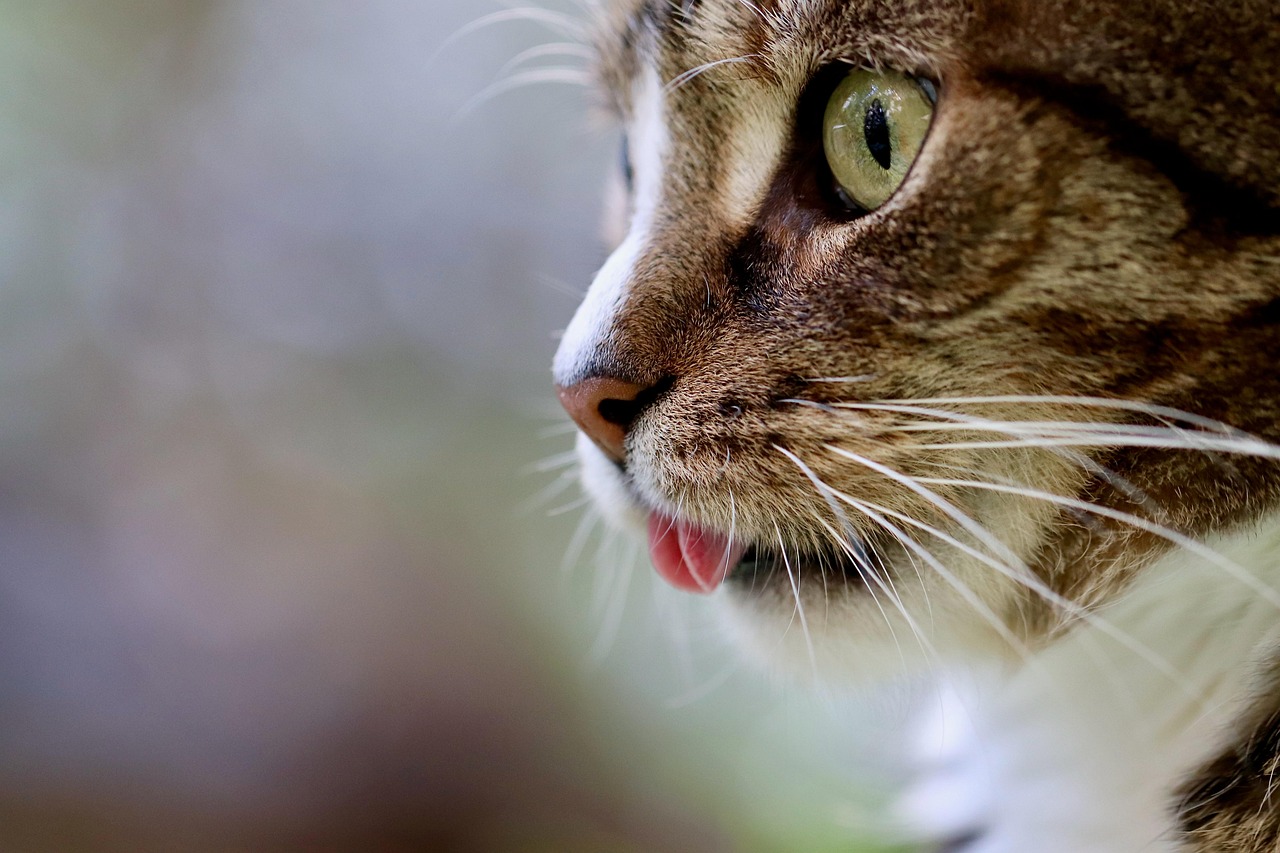

Host Immune Response to Parasite Infection in Cats
Understanding the host immune response towards parasite infections in cats is critical for effective control strategies. Specialized immune cells, including T-lymphocytes and B-lymphocytes, play significant roles in identifying and eliminating parasites. When a cat faces an infection, its immune system kicks in to mount a response that includes the production of antibodies. These antibodies, particularly Immunoglobulin E (IgE), are critical in recognizing specific parasitic antigens. The innate immune system also acts as a frontline defense, utilizing mechanisms such as phagocytosis, where immune cells engulf and destroy invading parasites. Various cytokines and chemokines are employed to signal and regulate the immune response. Studies indicate that a balanced response is crucial, as both an excessive and a deficient immune reaction can lead to complications. Moreover, interactions between different cell types promote a coordinated response to effectively target parasites. Understanding these dynamics equips researchers and veterinarians with the necessary insights to improve treatment protocols for common parasites, thus enhancing overall feline health and welfare. Future research should focus on the specific pathways and mechanisms activated in response to different parasites in domestic cats.
In addition to the innate immune response, the adaptive immune system significantly contributes to a cat’s defense against parasitic infections. The adaptive immunity develops over time and is characterized by immunological memory, allowing for a stronger and more rapid response upon re-exposure to the same parasite. This mechanism involves the generation of memory T-cells and B-cells, which recognize and respond to previously encountered pathogens. Vaccination is a vital tool in enhancing this response, as it prepares the immune system to fight off specific parasites by introducing harmless forms of the parasite, or their proteins. These approaches have been promising against major parasites like Toxoplasma gondii and various helminths. Research has shown that genetic predisposition also affects how efficiently a cat’s immune system can respond. The environment in which a cat resides will further influence its exposure to different parasites, shaping its immune responses. Innovations in vaccines and treatments focusing on these adaptive mechanisms hold promise for controlling parasite infections. As we advance, understanding the immunological bases is crucial in developing effective vaccination strategies for cats to ensure their long-term health.
The Role of Environmental Factors
Environmental factors play a pivotal role in influencing a cat’s exposure to parasites and subsequently affect its immune response. The presence of specific parasites may vary greatly with climate, season, and even habitat. Cats living in humid areas may be more prone to certain types of parasites like fleas and ticks. Conversely, dry environments could lead to higher instances of sand fleas. Also, higher population densities in urban environments may facilitate parasite transmission. Understanding these variations allows veterinarians and pet owners to implement surveillance and preventive measures efficiently. Moreover, free-roaming cats might encounter various parasites that indoor cats do not, which highlights the importance of regular screening for parasites regardless of lifestyle. Connection with veterinarians ensures preventative treatments align with geographic prevalence in the cat’s environment. This understanding helps ensure that intervention strategies, such as topical treatments or vaccinations, can adequately cover the specific regional issues. Additionally, educating pet owners about the importance of cleanliness and taking preventive measures such as regularly treating pets for fleas and parasites can remarkably support a cat’s immune health.
The impact of diet on a cat’s immune system in relation to parasite infections cannot be understated. Nutrition plays a foundational role in shaping the immune function and pathways involved in responding to parasites. A balanced diet rich in essential nutrients, incorporating proper levels of proteins, carbohydrates, lipids, vitamins, and minerals, sustains the overall health of the cat. Recent research indicates that omega-3 fatty acids, antioxidants, and certain micronutrients enhance the immune response, particularly against infections and inflammatory conditions. While commercial cat food provides varied nutritional profiles, pet owners should consider premium diets that specifically address immunity. Supplementing a cat’s diet can also improve resistance and recovery from parasitic infections. Additionally, ideal protein sources, such as fish, can boost immunity, while high carbohydrate levels may predispose cats to inflammatory responses. By carefully managing diet, especially during parasite outbreaks, owners can contribute positively to their cat’s health. The interplay between nutritional strategy and immunological response offers exciting avenues for future research. As advancements in nutrition contribute to health, it is critical for owner awareness regarding food choices that support immune function against parasitic challenges.
Vaccination Strategies Against Parasites
Vaccination remains a cornerstone in protecting cats against parasites, significantly enhancing the host’s immune response to infections. Current research focuses on developing effective vaccines against prevalent parasites such as Toxoplasma, Giardia, and certain helminths. While vaccines stimulate an appropriate immune response, there remain significant challenges in achieving complete immunity due to an array of parasite evasion tactics. Innovative vaccination strategies, including subunit vaccines that isolate specific antigens, aim to provoke targeted immune responses without exposing cats to significant risks. Additionally, adjuvants play a vital role in these vaccines, enhancing the immune response duration and efficacy. Despite the promising landscape of vaccination development, vaccination protocols should consider individual cat health status and environment to optimize outcomes. Regular veterinary visits ensure that cats receive necessary vaccinations promptly and safely. Research into potential new vaccine platforms, including mRNA technology, shows promise in enhancing immune responses and could revolutionize feline parasite control methods in the future. As veterinarians and researchers discover more effective vaccines, advancements will undoubtedly enhance preventative health practices for cats against debilitating parasites.
Moreover, ongoing research into the genetics of host immune responses presents promising avenues for personalized approaches to parasite control in cats. Differences among individual cats regarding their susceptibility to parasites can lead to varying outcomes in infections. Genetic factors initiate how efficiently an immune system can respond to parasite challenges. Genetic studies have identified specific genes associated with immune responses, providing insights that could inform future therapies and vaccine development. Understanding feline breed susceptibility to particular parasites also offers the potential for tailored prevention strategies. With advancements in genomic technologies, there is potential for creating personalized vaccination schedules and treatment protocols based on the individual cat’s genetic makeup. Moreover, understanding these variations will help identify which cats are more vulnerable to severe infections. As genetic research continues to evolve, the goal is to make substantial strides in tailored strategies that not only enhance immune responses but also mitigate the public health implications associated with zoonotic parasites. This intersection of genetics and immunology potentially transforms how we handle parasite control in the feline population, fostering more effective interventions.
Conclusion and Future Directions
In conclusion, understanding the host immune response to parasite infections in cats is fundamental for developing effective treatments and preventive measures. The dynamic relationship between host immunity and parasitic challenges requires consistent research, encouraging innovations in vaccinations, dietary strategies, and genetic tailoring. Advancements in veterinary medicine continue to emphasize the importance of regular health screenings, preventive treatments, and education for cat owners. Collaboration between researchers, veterinarians, and pet owners is crucial for implementing strategies that enhance feline health holistically. Forward-thinking approaches focusing on immunology, dietary effects, and genetic predispositions can create customizable solutions for parasite control. Ensuring that cats lead healthy lives while mitigating parasitic infections remains a primary goal within veterinary medicine. Behavioral changes among pet owners, coupled with evidence-based guidelines, will significantly impact overall animal welfare. Expansion of surveillance programs addressing environmental influences will provide a clearer picture of parasite patterns. The future of cat parasite control hinges on innovative research developments, collaborative practices, and proactive approaches to maintain the health of our feline friends, ultimately promoting a healthier coexistence between cats and their environment.
In summary, there is a wealth of knowledge surrounding the immune responses cats exhibit towards parasites and the factors influencing these reactions. Addressing cat parasite control requires a multi-faceted approach that integrates research findings, practical applications, and ongoing education.