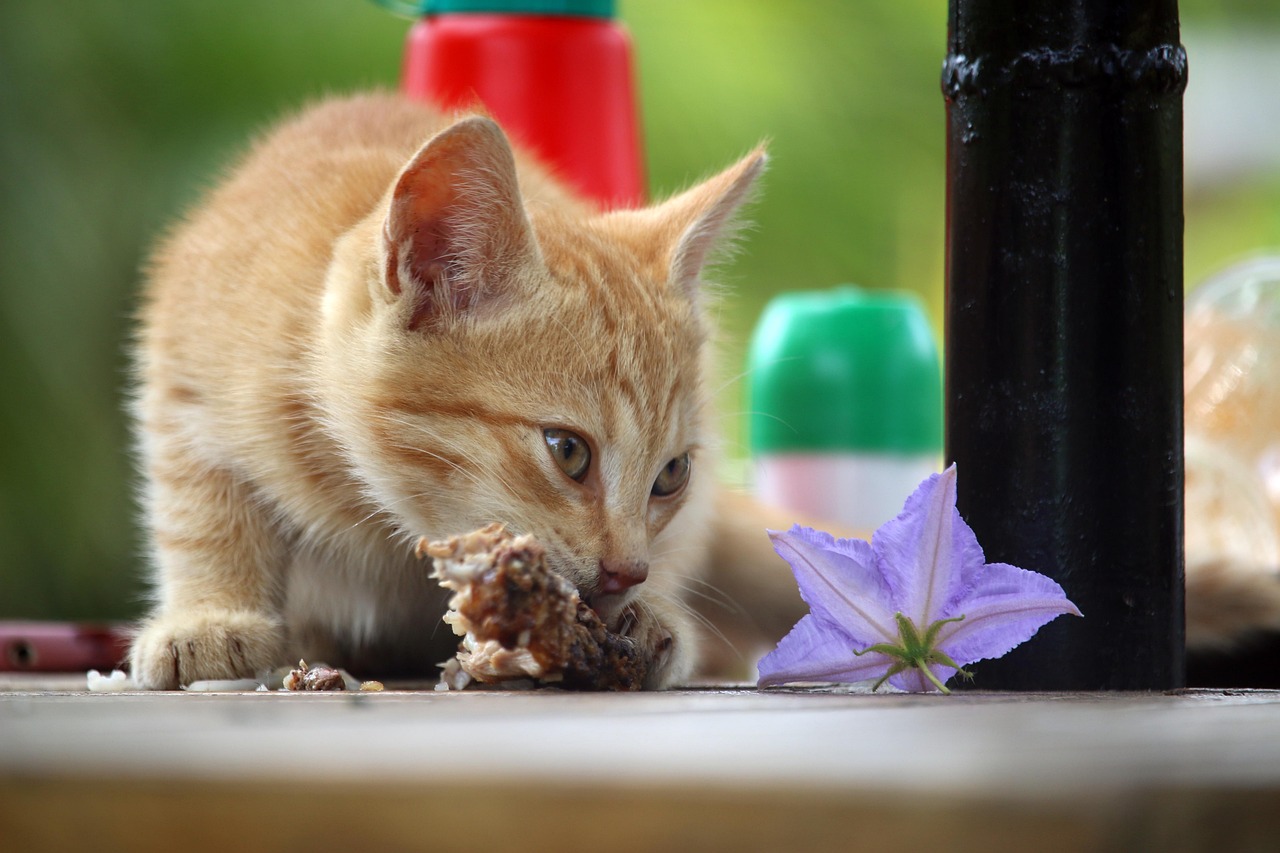

How to Use Feeding Time to Help Cats Accept New Pets
Introducing new pets into a household can be a significant challenge, especially when cats are involved. Cats are territorial by nature and often feel threatened when a new animal arrives. Utilizing feeding time strategically can help ease the transition. Begin by ensuring both cats have their own dedicated feeding areas. This reduces competition and minimizes stress. Use high-quality food and consistent feeding times to build routine. Place each cat’s food bowl in a separate location that’s away from the other, promoting a calm atmosphere during meals. Additionally, try to keep the new pet at a safe distance, preventing feelings of immediate threat. Over time, you can gradually bring the new pet closer while they eat. Monitor their body language closely for signals indicating stress or aggression. Positive reinforcement can be essential during this process. Offer treats and affection when both pets are calm and amicable. Use this time to bond with each cat separately, creating a more cohesive environment. With patience and diligence, you can help your feline friends adjust to their new companion, cultivating harmony within your home.
The next step involves careful observation during feeding time. Make sure to establish a schedule that accommodates both pets. Gradually introducing scents can also promote acceptance; let the cats sniff each other’s food while they eat. Their curiosity may outweigh any initial fear, creating positive associations with each other’s presence. It may be beneficial to incorporate interactive feeding toys to keep them occupied. This ensures that the focus remains on eating, rather than on one another. Choose toys that are engaging yet non-threatening. Cats often exhibit less aggressive behavior when actively engaged in a stimulating activity. Keep feeding sessions relatively short to prevent anxiety from building up. Reward positive interactions with praise and treats, strengthening their bond over time. Monitor their behavior during each session, as some initial hissing or growling may occur. Instead of punishing these actions, redirect their attention back to the food. Positive outcomes can eventually replace the negative interactions. Remember that the journey towards acceptance can be gradual and requires your involvement. Adjust your methods based on how each pet responds to ensure the optimal environment.
Creating a Calm Environment
To facilitate acceptance between your pets, creating a calm environment is crucial. Reducing stressors around feeding time can significantly ease the tension. One practical approach is using pheromone diffusers to relax both cats. These products simulate natural scents that help soothe anxious animals. Another strategy is to play soft music during feeding sessions. Pleasant sounds can create a serene backdrop, helping both cats focus on their food. Be mindful of the immediate surroundings; loud noises or too much foot traffic can cause distractions. Consider feeding them at different times if they are especially reactive to each other. Allowing sufficient space and tranquility during meals can help both cats feel safe. Make sure their feeding areas are away from communal spaces where they may feel threatened. Over time, as they associate mealtime with calmness, their acceptance of each other should improve. Gradually, the cats will start to acknowledge and may even ignore one another. Time is your ally, and consistent efforts will likely yield results in reducing territorial behaviors. Fostering a safe environment is essential for their relationship to grow.
Feeding time can also serve as an opportunity for positive reinforcement. Consider using treats during this integration period to encourage friendly behavior. Whenever both cats eat calmly near each other, reward them with small snacks. This fosters a connection between feeding and positive outcomes. Additionally, engage in play with both cats simultaneously to help them associate good experiences while being together. Choose toys that allow for group play, which fosters cooperation and reduces competition. Use this strategy to gradually decrease any territorial instincts, making the feeding experience an enjoyable one. Patience is key here; some cats take longer to adjust than others. Keep track of their progress over time, as small victories can lead to significant improvements. Start by allowing them to see each other from a distance while they eat, then slowly bring them closer as they become more comfortable. Documenting these milestones can provide insights into their behavior. Encouraging a positive atmosphere around meals can turn these moments into bonding experiences, rather than sources of stress for either pet.
Establishing a Routine
Establishing a routine is imperative for successful integration. Consistent meal times and locations can provide a sense of security for both animals. Similar to humans, cats thrive on predictability. Therefore, set feeding times that align with your household schedule. If possible, synchronize their feeding times so they eat together, which encourages them to view each other as companions rather than rivals. Keep their feeding areas clean and appealing to both cats, as a clean environment reduces territorial disputes. Rotate their food regularly, allowing them to explore new flavors and always look forward to each meal. This routine can help prevent boredom and encourage positive associations with mealtime. Ensure that each pet feels secure in knowing they will receive their share of food, thus decreasing any fears of competition. When it comes to engaging your cats, don’t hesitate to introduce puzzle feeders that challenge and engage them while they eat. Engaging their minds alongside their bellies can lead to a healthier interaction. Over time, as they build a routine together, they ought to grow increasingly comfortable with one another, ultimately leading to their acceptance.
Another effective technique to reduce anxiety during feeding is to offer separate yet visible spaces. Place their food bowls where they can see each other but still maintain a safe distance. This approach allows them to become accustomed to each other’s presence without the immediate pressure of confrontation. Additionally, this visibility can evoke curiosity, leading to eventual acceptance. During their feeding time, monitor their responses closely. If one cat appears tense or aggressive, don’t hesitate to separate them temporarily to avoid escalating tensions. Take this time to assess the situation and reinforce positive behavior with treats. When both pets show calmness, gradually integrate their feeding times. Keep their feeding areas enriched with toys or scratching posts to create a diversion. For instance, scattering dried catnip near their bowls can encourage a more relaxed atmosphere. Cats may become more focused on play rather than the presence of each other. Remember that every cat has its pace; some adjust quicker than others. Establishing visible yet separate meal zones promotes acclimatization while ensuring their safety and comforts.
Conclusion and Moving Forward
In conclusion, using feeding time as a tool can greatly enhance the integration process for your cats. It is essential to approach this task with a well-structured plan that focuses on patience and positive reinforcement. Gradually easing them into proximity during meals helps minimize stress as it shifts the focus away from territory and competition. Each successful interaction is a step toward creating a harmonious household, allowing both pets to coexist peacefully. Regularly monitoring their behavior and adjusting feeding strategies as they acclimate ensures that both cats feel secure. Documenting their progress can help identify successes and areas needing improvement. The key is to nurture positive associations with feeding while still being mindful of individual needs. Over time, both cats will likely develop a mutual understanding and acceptance, resulting in a joyful multi-pet household. Love, consistency, and care are vital in fostering a positive environment. By strategically managing their feeding routine, you lay the groundwork for a peaceful coexistence. With your support and guidance, both cats can thrive, becoming good friends rather than adversaries.