
The Science Behind Cat Social Behavior and Body Signals
The study of cat social behavior provides insights into their unique communication style and interaction patterns. Cats use a variety of signals to convey feelings and intentions. Understanding these signals is crucial for effective communication between humans and felines. Body language plays an essential role in how cats express themselves; it includes tail movements, ear positions, and even facial expressions. For instance, a cat with a high tail may be feeling friendly and confident, while lowered ears may signal anxiety or aggression. Additionally, purring is often associated with contentment, but it can also indicate discomfort in certain situations. Observers should consider the entire context of a cat’s behavior to fully interpret their emotions accurately. Comprehensive knowledge of these body signals fosters better coexistence and communication between cats and their human guardians. Socialization during kittenhood significantly influences their behavior as adults, highlighting the importance of introducing them to various experiences, environments, and people. The interplay between innate behaviors and learned responses shapes a cat’s approach to their social environment, contributing to their overall well-being.
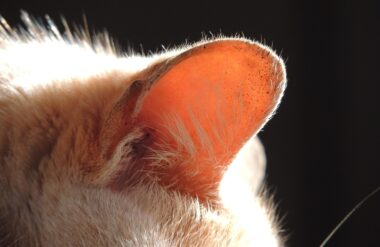
Understanding cat body language significantly enhances the human-cat relationship. Observing subtle behaviors can reveal much more than vocalizations alone; actions often speak louder than words. Cats engage in different forms of communication, combining body language with vocal signals such as meows, hisses, and growls. The positioning of their ears, for example, indicates their mood: ears pointed forward suggest curiosity or playfulness, while flattened ears typically indicate fear or aggression. Similarly, a cat’s tail position can communicate a wealth of emotions: an upright tail often indicates happiness, while a puffed-up tail signals alarm or anxiety. Eye contact is another critical factor in feline communication; a slow blink can convey trust and affection. More complex interactions occur among multiple cats, where each cat’s body language and signals contribute to their social dynamics. This intricate dance of communication is vital for establishing boundaries and promoting harmony within a multi-cat household. Recognizing these nuances ensures that cat owners can provide a nurturing environment that caters to their pets’ sociable nature and emotional well-being, fostering deeper bonds between cats and humans.
Key Body Language Signals of Cats
Cats exhibit various body language signals that convey different emotions and needs. A thorough understanding of these signals is essential for fostering positive interactions. For instance, when a cat arches its back, it demonstrates either fear or a defensive posture. Conversely, a cat rubbing its face against a human or object signifies affection and territory marking. A cat that kneads with its paws is often displaying contentment, a behavior traced back to kittenhood when they kneaded their mother for milk. Another common behavior is the swishing of the tail, which can symbolize excitement or agitation, depending on the context. Purring often indicates relaxation, but cats may also purr when in pain; thus, the context is vital. Understanding what different tail positions mean can also aid cat owners in grasping their cat’s feelings. For example, a cat that holds its tail high portrays confidence and friendliness. All these subtleties make cat body language rich with meaning, enabling better interactions and care. Building an empathetic relationship with your cat enhances their overall emotional health and enriches your shared experiences.
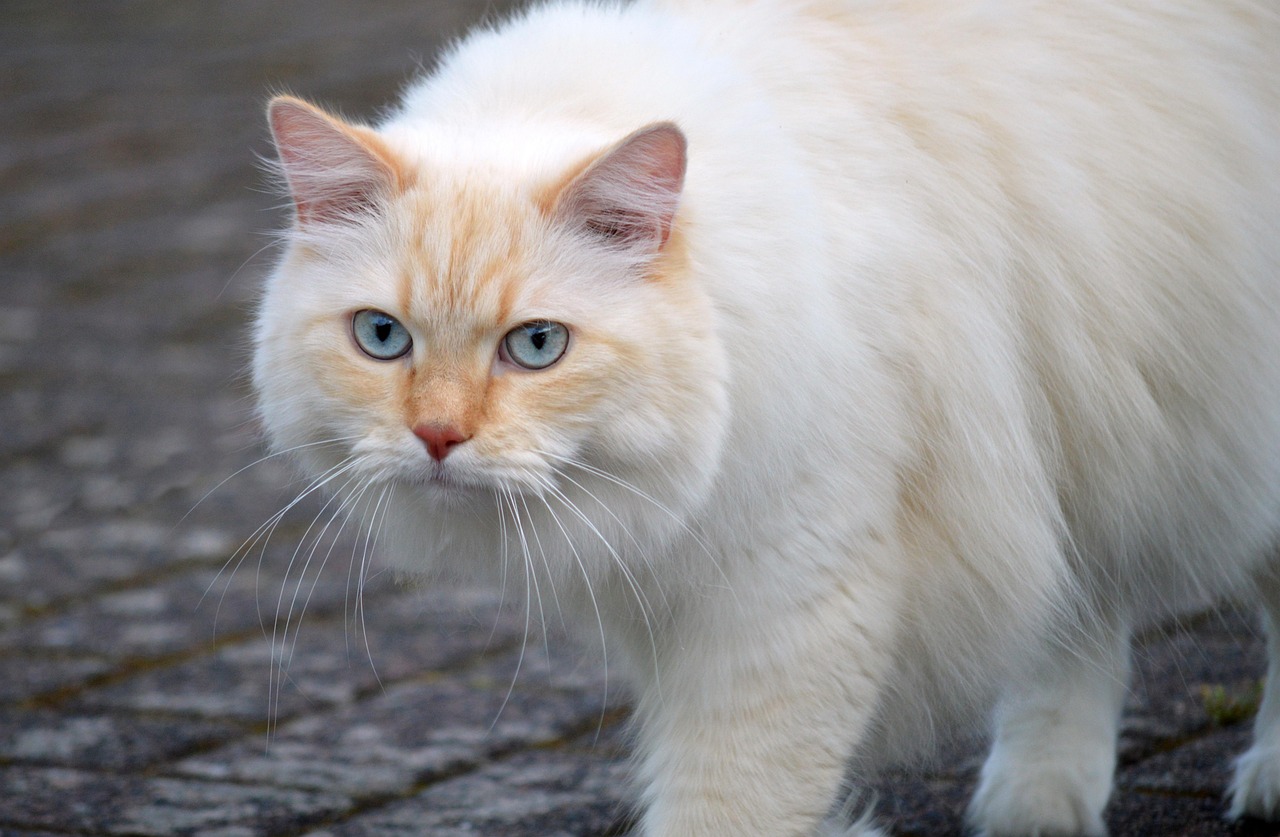
Social behaviors in cats are influenced by various factors, including breed, early experiences, and environmental settings. Some breeds like Ragdolls and Siamese are known for their sociable and affectionate natures, while others may exhibit more independent traits. These innate characteristics can guide expectations regarding a cat’s social personality. Additionally, cats that experience positive socialization during their formative weeks tend to develop more balanced behaviors, demonstrating the importance of early interactions. Exposing kittens to various stimuli, situations, and environments can yield more adaptable and less fearful adult cats. Observing their interactions with others, including pets and humans, allows caregivers to identify patterns in their social behavior. Understanding these traits enables better companionship, as owners can address any behavioral issues early on. Moreover, the social environment that includes play and secure spaces can nurture a cat’s sociability. Each cat possesses a unique personality shaped by individual history and experiences, and recognizing these subtle differences creates a tailored approach to care. This, in turn, promotes a fulfilling bond and enriches both their lives and the lives of the owners.
Factors Influencing Cat Behavior
The behavioral traits of cats are heavily influenced by genetics and their environments. Specific breeds can have distinct personalities; for example, while some may be naturally more aloof, others may seek constant companionship. This genetic predisposition informs how a cat interacts with both humans and fellow felines. Beyond genetics, a cat’s upbringing crucially shapes its behaviors and social interactions. Kittens exposed to a variety of people and situations during their early development emerge as more sociable adults, highlighting the significance of early socialization. Additionally, different living situations can affect stress levels and subsequently change behavior. Cats in homes with limited social interactions may become more fearful, while those in busy households often adapt to handling various noises and people. It’s essential for cat owners to create an environment that promotes positive interactions, fostering a sense of safety and belonging. Regular playtime, interactive toys, and attention contribute to an engaging atmosphere that encourages natural social behaviors. Ideal living conditions can lead to confident cats that thrive in their surroundings, resulting in fulfilling relationships with their owners.
Positive reinforcement is a powerful tool in shaping a cat’s social behaviors. Encouraging desired behaviors through rewards fosters a strong bond between cats and their owners. Gradually introducing cats to new experiences, people, and environments calms their anxieties and nurtures positive responses. Cats respond well to treats and affection when they exhibit confident behaviors, reinforcing these actions for the future. Owners should acknowledge and praise their cats during moments of sociability, whether they approach someone or explore a new area. Countering fearful behaviors with patience and rewards provides a path toward improved socialization. If a cat exhibits signs of fear—like hissing or hiding—owners should allow them to retreat while still offering gentle encouragement. Creating a safe space where cats can observe new things without being threatened is crucial. Over time, cats can learn that various experiences and social situations are safe. Investing in this process leads to more relaxed and confident felines over time. The way owners approach training and interactions has a tremendous impact on their cats, fostering friendships and ultimately enriching the shared life they lead.
Conclusion on Cat Social Behavior
Understanding the science behind cat social behavior and body language is vital for any cat lover. Cats communicate predominantly through body language, and their interactions with humans and other pets reflect their emotional states. Body signals such as tail position and ear movement offer insights into their feelings: a relaxed cat stands tall with its tail held high, while a nervous cat may display a low or puffed-up tail. Social contexts matter greatly; recognizing when a cat feels at ease versus when it feels threatened allows owners to respond appropriately. In addition, fostering confidence through positive reinforcement techniques helps cats develop healthy social behaviors. Enriching their environment with interactive games and regular socialization experiences not only boosts confidence but contributes to mental stimulation. Understanding feline behavior creates deeper connections and helps address potential behavioral issues early on, ultimately leading to more satisfying relationships. By committing to learning about these essential aspects of cat behavior, owners foster the well-being of their pets. The emotional and social needs of cats are often overlooked but are key to their happiness, creating bonds that enrich both feline lives and those of their human companions.
Recognizing the profound connection between understanding cat body language and nurturing a fulfilling relationship ensures that cats thrive in their environments. The multiple nuances of feline communication emphasize their unique personalities and emotional complexities. Improved communication leads to harmonized interactions, allowing for greater companionship and trust between cats and their humans. The balance between acknowledging innate behaviors and facilitating social learning influences a cat’s adaptability and comfort levels in diverse settings. A cat’s well-being relies on fulfilling both their physical and emotional needs through stimulating environments and meaningful social engagement. This in turn shapes their responses towards various situations in daily life and interactions with their caregivers. As cat owners return home to the reassuring presence of their pets, it recalls the importance of nurturing this critical bond through a better understanding of their needs and behaviors. By implementing these insights, many issues can be mitigated, leading to a happier home. Ultimately, a well-socialized cat is more equipped to handle the variety of life’s experiences, allowing owners to appreciate the joy of sharing life with such irreplaceable companions.