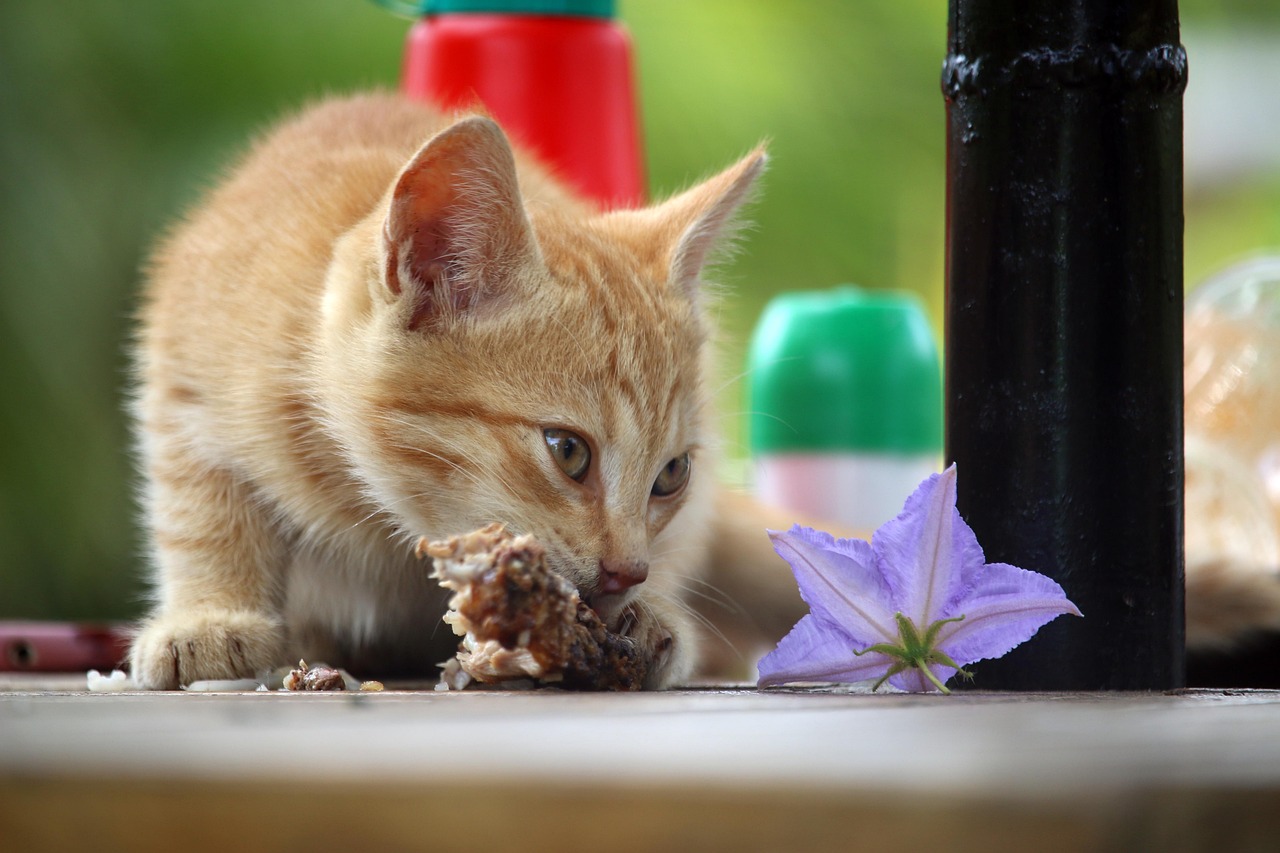

The Role of Feeding Time in Cat Socialization
Feeding time for cats serves as a crucial occasion for socialization. When you feed your feline friend, it provides a unique opportunity to foster trust and companionship. During this time, consider creating a calm atmosphere, free from distractions. This helps to encourage your cat to feel safe and comfortable. Consistency is also vital; try to establish a routine whereby feeding occurs at the same time daily. This predictability makes your cat more confident and relaxed. Furthermore, you might want to use various bowls or plates. Cats can be territorial and specific about their dining areas. By providing separate dishes, you ensure they associate feeding time as a positive experience rather than one marked by competition. Positive reinforcement also plays an essential role. Offer treats or praise when your cat approaches their feeding area. This encourages a favorable association with not only food but also your presence. As they become more comfortable with you during feeding, their overall social behavior towards you and their surroundings improves significantly, leading to a more interactive, affectionate, and sociable cat.
Behavioral insights are imperative when considering how feeding time influences socialization. For many cats, mealtime is an enriching experience, and observing their reactions can provide valuable insights. You can gauge their appetite, preferences, and even their mood based on how they respond to food. This information is invaluable as it allows you to tailor experiences that cater to their individual needs. For example, if your cat appears anxious during feeding, it may signal that they require more gentle interactions with you. Adopting different feeding strategies, such as using toys or puzzles, can further engage your cat during meals. By making them work for food, you stimulate their minds, transforming mealtime into a playful activity. Engaging in this way also nurtures a trusting relationship, showcasing that food comes with positive interactions. Furthermore, pay attention to how your cat interacts with you around feeding time. If they approach eagerly or rub against your legs, they’re signaling comfort and trust. Conversely, if they hide or avoid you, it may be time to reassess your bonding techniques during meals. Understanding these aspects can enhance not only your cat’s eating habits but also their social interactions.
Creating a Feeding Routine
Establishing a feeding routine is vital for both cat health and social engagement. Not only does a consistent schedule aid digestion, but it encourages your cat to associate feeding time with positive human interactions. Start by identifying feeding times that work best for both you and your cat, ideally in quieter moments. This reduces stress and ensures that both of you can enjoy the experience. Additionally, consider a gradual approach when introducing new types of food or changes in feeding schedule. Sudden changes can lead to hesitance, affecting your cat’s willingness to engage during meal times. During feeding, sit nearby or gently talk to your cat. Your voice can be reassuring and creates a more relaxed environment. Over time, this builds a strong connection between you and your pet, increasing their social comfort level. Furthermore, monitor their body language. Happy cats often purr or knead while eating. If you notice signs of discontent, such as low ears or hiding, it might be worth reviewing your approach. Making adjustments can lead to more positive feeding experiences and foster a greater bond, ultimately enhancing their socialization.
Feeding time can also directly impact your cat’s behavior with other pets in the household. In multi-pet homes, ensuring that each cat feels secure during mealtimes is essential. Designate individual feeding spots to minimize tensions and territorial disputes, promoting healthier interactions during meals. This strategy encourages a peaceful environment where cats can eat without feeling threatened. Moreover, observe how your cats react during feeding. If one is more dominant, you might need to provide separate feeding sessions or use elevated platforms for the more timid pet. Offering occasional treats during shared meals can also foster camaraderie. When different cats engage positively, particularly when food is involved, they associate good times with each other’s presence. Make sure each cat receives attention while eating; simply talking to them can reinforce an atmosphere of safety and comfort. Additionally, if introducing a new cat to your home, begin the socialization process through feeding. Allow the new pet to eat in a separate location initially, gradually moving closer to the others. This method promotes trust and helps integrate them into your family. As feeding continues to be a safe space, both cats learn to coexist.
Interactive Feeding Techniques
Incorporating interactive feeding techniques can vastly improve the socialization experience for your cat. Instead of simply placing their food in a bowl, you can use feeding toys or puzzle feeders to engage their instincts. These tools require your cat to think critically and work to access their meal. It turns routine feeding into a stimulating activity, helping to maintain their interest and focus. Moreover, as they engage with these toys in your presence, they form a stronger emotional bond with you. Watching them tackle these challenges can be entertaining and offers moments when you can praise them for their efforts. Additionally, consider meal-sharing as a format for social interaction. Pouring some food onto a shared platter, you can encourage safe and positive encounters. Allowing cats to eat side by side can lead to improved bonding experiences while eating. However, supervision is crucial to ensure that this remains a peaceful encounter. Redirect any signs of aggression immediately. By fostering interactive feeding experiences, your cat learns that mealtime is not just about food but also about building social connections and trust with you and other pets.
Encouraging social behavior during feeding time can profoundly influence your cat’s day-to-day interactions. The goal should be to create a warm, relaxed, and social atmosphere surrounding mealtimes. One of the most effective strategies involves including family members or friends who also interact with your cat during feeding. This inclusion allows your cat to associate multiple positive interactions with mealtime. To further enhance this experience, individuals can help reinforce good behavior by offering treats aligned with feeding times. This results in not just a meal but a more robust bonding experience. Moreover, consider the environment in which feeding occurs. Bright lighting and comfortable seating arrangements can contribute to calming your cat. Create spaces that provide a sense of security, allowing your pets to eat freely without anxiety. Additionally, maintain a clean feeding area, which fosters feelings of safety around food. Cleanliness also reduces the risk of health issues and promotes overall well-being, thereby enhancing social engagement. A well-cared-for feeding space tends to encourage your cats to approach food more comfortably and positively, which in turn reflects their social behaviors.
Long-term Benefits of Socialized Feeding
Long-term benefits of enhancing social behavior during feeding times can create a significant difference in your cat’s overall disposition. As cats learn to associate feeding with social interactions, they often become more adaptable and approachable. This adaptability can result in reduced stress levels surrounding feeding, travel, and even visits to the veterinarian. Socialized cats tend to exhibit less anxiety, and this reduction translates positively to their interactions in various situations. Furthermore, a well-socialized cat often displays a more confident demeanor, impacting not only its behavior but also the rapport between the cat and its owner. Over time, the routines developed during feeding solidify into mutually rewarding experiences. As trust builds, a deeper bond develops, contributing to your cat’s overall happiness and wellbeing. Moreover, the social skills learned at the feeding table can transfer to other areas; engaging positively with fellow pets, visitors, and family members becomes more attainable. It’s important to note that each cat progresses at their own pace. Ensuring a supportive atmosphere and allowing these interactions to unfold naturally ultimately leads to the most rewarding outcomes.
In conclusion, feeding time plays an integral role in cat socialization. It is not merely a chore or routine; rather, it serves as a vital opportunity for bonding and enhancing your cat’s social skills. By observing and adapting to your cat’s responses during meals, modifications to their feeding experience will encourage more positive interactions. Consistent routines, engaging feeding techniques, and a focus on individual comfort all contribute to fostering healthier relationships between cats and their human companions. As you create supportive environments around meal times, the presence of safety and trust will thrive, leading to an overall happier and healthier pet. Encouraging this bond can have long-lasting effects, influencing their behavior well beyond mealtimes. Active participation in this aspect of your cat’s life signifies your commitment to their wellbeing. You also observe and learn from your cat’s personality and preferences, enhancing your connection. Therefore, take the time to engage warmly during feeding, creating a nurturing atmosphere filled with companionship. All these actions combined can pave the way for a social and affectionate feline companion, enriching not only their lives but also yours.