
Maintaining Socialization Routines While on the Move
Traveling with socialized dogs can be both a delightful and complex experience. Maintaining socialization routines is essential during travel to ensure your dog remains comfortable and well-adjusted. To achieve this, it’s crucial to plan your trip with your dog’s needs in mind. Start by choosing pet-friendly accommodations that welcome dogs. Researching local parks and pet-friendly attractions is also necessary. These areas provide opportunities for your dog to engage with other dogs and people, reinforcing their social skills. Also, consider incorporating regular stops for walks and playtime. These breaks can help your dog expend energy and socialize with new friends. Interacting with other dogs can reduce anxiety and promote confidence while in new environments. Always ensure your dog is leashed and under control during these interactions for safety. Packing familiar items, such as their favorite toys or blankets, helps create a sense of home. During travel, keep up with your dog’s routine, including feeding times, exercise, and rest. This consistency supports their mental well-being and maintains their socialization skills, allowing for enjoyable experiences on the road together.
Engaging in socialization activities while traveling ensures your dog remains accustomed to various environments. One effective strategy is to schedule public outings. Visiting dog-friendly cafes or attending a dog event can provide ideal opportunities for your pet to engage with others. You might discover breed-specific meetups in certain areas, which can enhance your dog’s social interactions. Such gatherings allow for positive, controlled experiences, further reinforcing their comfort around other canines. Another essential aspect is to create an awareness of your dog’s body language. Watch for signs of stress or anxiety, signaling that social interactions may be overwhelming. Being proactive in observing these behaviors helps you manage situations quickly. Training exercises such as focusing commands can redirect their attention to you, maintaining composure in different environments. Always reward your dog with praise and treats for positive interactions with others. These rewards build a positive association with social scenarios. With patience and care, your dog can thrive in varied environments. This enables them to enjoy travel adventures while ensuring ongoing social developments fit their personality and needs to live confidently and happily.
What about visiting dog-friendly beaches and hiking trails? Exploring these landscapes isn’t just about enjoying nature; it also offers socialization opportunities. Beaches often attract other dog owners, making them ideal for allowing your dog to interact with various breeds. Ensure your dog is comfortable with water and other shore activities. Supervision is critical to prevent any troublesome or aggressive encounters with others. Similarly, hiking trails present unique chances for socialization and exercise. Keeping your dog leashed while walking allows you to maintain control and prevent them from wandering too far. Encountering other hikers with dogs will naturally promote interaction. Try to remain calm and focused during these encounters to ensure your dog adopts the same demeanor. Diversifying locations during your trip helps your dog adapt to new scents and sounds. This exposure keeps them engaged and provides essential mental stimulation, reducing boredom while boosting their confidence. The more varied the environments you explore, the more successful your dog’s socialization experiences will be. This will aid in creating lasting memories and reinforcing a healthy attitude toward adventures and interactions wherever they go.
Staying Consistent with Training
Even on the road, maintaining training consistency is vital for ongoing socialization success. Use travel time to reinforce commands and skills learned during previous training sessions. Keep a variety of treats handy to reward your dog for following commands. By integrating short training sessions into your daily routine, your dog receives continual reminders of their skills. Whenever you engage in socialization opportunities, enlist your dog’s training commands to encourage good behavior. Employ commands such as “sit,” “stay,” or “come” to help manage interactions. This practice helps your dog distinguish between solid behavior and potential distractions. Make sure to utilize downtime while traveling for training refreshers. They can be brief but effective, reducing anxiety and fostering a structured environment amidst the travel chaos. Additionally, consider reviewing video resources on dog training during downtime. Familiarizing yourself with proven techniques can bolster your confidence in maintaining training effectively. This consistency is especially important during vacations or road trips. A trained dog is more likely to navigate the challenges of travel smoothly while reinforcing their social skills, leading to enjoyable experiences for both pet and owner during every trip taken together.
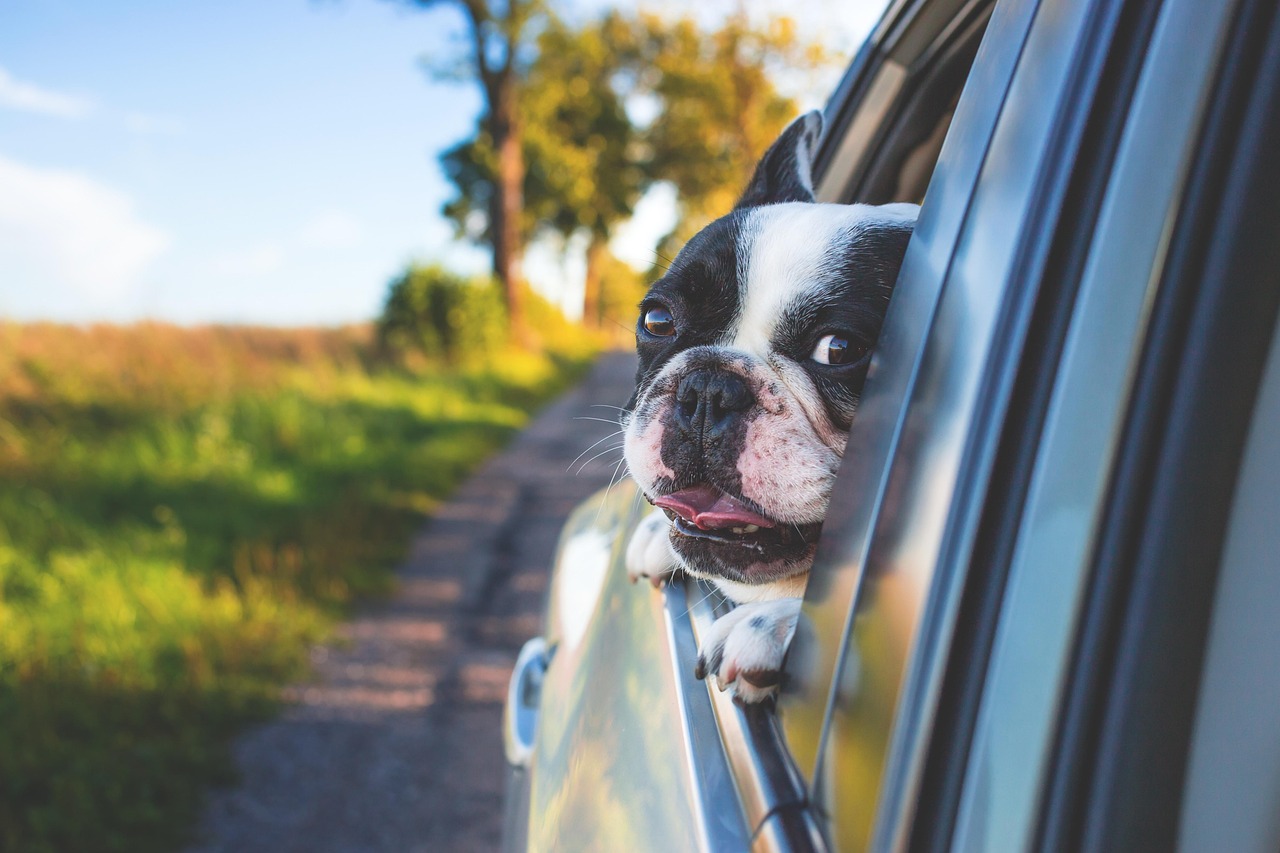
Involving your dog in travel preparations can enhance their overall experience. Make sure they have a dedicated travel bag stocked with essentials like food, water, bowls, leashes, toys, waste bags, and health records. Familiarizing your dog with their travel gear helps reduce anxiety when it’s time to go. Ensure that your dog is in good health and up-to-date on vaccinations. This will make it easier to enjoy public spaces and interact with other dogs. If your dog requires medication or has specific dietary needs, plan accordingly to bring any necessary items. Preparing beforehand ensures fewer surprises and keeps you both comfortable. To help your dog adapt, practice loading them into the vehicle prior to the trip. Positive reinforcement can encourage your dog to feel relaxed in the car by associating it with fun outings. Establishing a routine to check on their comfort and hydration during travel can alleviate potential travel-induced stress. Staying consistent with your travel policies contributes to your dog’s comfort. This preparation allows you to spend more quality moments bonding throughout your journey, ensuring a smooth transition into new social opportunities during your travels.
Creating Positive Associations
Reinforcing positive associations while traveling leads to a well-adjusted, social dog. Whenever you encounter new situations, consider if they can be perceived positively by your pet. Utilize treats to reward your dog when they demonstrate calm behavior around new encounters. This teaches your dog that new experiences can be enjoyable and fosters a connection in various environments. Moreover, refrain from forcing interactions that make your dog uncomfortable or anxious. Instead, allow them to dictate their pace when it comes to engaging with others during outings. This autonomy can build confidence and help strengthen their social skills over time. Remember to celebrate milestones, no matter how small they may seem. Each successful interaction is a step toward continued social growth. Encourage your dog to explore their environment, sniffing and getting acquainted with other dogs or people. Always be vigilant of any signs of discomfort, such as growling or retreating. Prioritizing their comfort will result in a much more enjoyable and stress-free experience for you and your dog alike, leading to fun and confidence-building social interactions throughout your summer adventures and beyond.
In conclusion, ensuring your dog maintains their socialization routines while on the move is essential for their overall well-being. Prior planning is critical for successful travel, which involves identifying dog-friendly locations, activities, and experiences that actively engage your dog socially, whether at parks or events. Social interactions during travel must be balanced with training, rewarding your dog for exceptional behavior. Consistency with commands and routines reinforces their training and provides a structured environment. Pay attention to your dog’s signals and accommodate their comfort levels throughout these interactions. By creating positive experiences, you minimize anxieties. Embracing travel with your pup enables unforgettable bonding moments each time. Also, incorporating fun activities and outings encourages social growth and dynamic experiences that your dog will cherish. To ensure lasting benefits, maintaining positive associations during every encounter leads to a confident and happy dog. As every trip unfolds, prioritize your socialization by continuing to nurture these routines in a joyous and engaging manner. Focus on fostering memorable adventures that solidify strong friendships with other canines while embracing the journey together harmoniously.