
The Impact of Nutrition on Aging Cat’s Brain Health
As our feline companions age, their nutritional needs change significantly. Maintaining proper brain health is vital for their quality of life. Nutritious diets can positively impact their cognitive function, ultimately leading to better mental well-being. A balanced diet rich in essential nutrients enhances brain health and slows cognitive decline in older cats. It is crucial to provide high-quality protein, healthy fats, vitamins, and minerals that support brain function. Omega-3 fatty acids, particularly DHA, play a significant role in maintaining neuronal health. These nutrients help keep the brain functioning optimally. Recent studies suggest that diets enriched with antioxidants may protect brain cells from oxidative stress, which contributes to aging-related cognitive decline in cats. Additionally, maintaining hydration is critical for overall health, influencing cognitive performance. Cats can often be finicky drinkers, so incorporating wet foods can assist with hydration and nutrition. Ensuring that your aging cat receives proper nutrition will foster better mental acuity. Regular vet visits, coupled with a well-rounded diet, will undoubtedly result in improved cognitive functions as they enter their golden years. Pet owners should prioritize their cat’s diet to maintain long-term health.
When considering dietary adjustments for aging cats, it’s essential to keep in mind several nutritional factors. One primary concern is the protein content in their diet. Senior cats may require higher protein levels to maintain muscle mass and support brain health. However, it’s crucial to ensure that these proteins are high in quality, sourced from animal proteins that are easily digestible. In addition to higher protein levels, the balance of fats is also important. Fats provide energy and essential fatty acids required for brain function. Including omega-3 fatty acids can specifically support cognitive health. Their addition into the diet can help reduce the chances of brain disorders seen in aging cats. Other important nutrients include antioxidants like vitamins E and C which counteract oxidative damage. Moreover, taurine, an essential amino acid for cats, plays a critical role in preventing cognitive dysfunction. Those amino acids must not be overlooked while preparing meals for aging felines. Furthermore, consider incorporating formulations that have been scientifically developed specifically for senior cats, as these can cover many bases in safeguarding their cognitive health.
Understanding Feline Cognitive Dysfunction
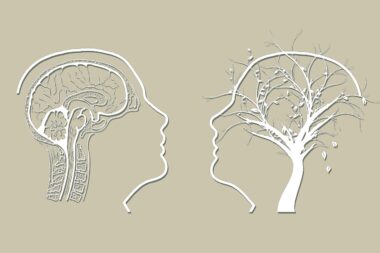
Feline cognitive dysfunction syndrome (CDS) is a common concern among aging cats and is often comparable to human Alzheimer’s disease. Symptoms may include disorientation, disrupted sleep patterns, and altered social interactions. Nutrition has a significant influence on delaying the onset of such cognitive disorders. Optimal diets loaded with antioxidants help combat cognitive decline while also promoting overall brain health. Recognizing early signs is crucial for timely intervention. Just as in humans, dietary changes and mental stimulation can make a difference for your feline friend. Increasing physical activity and mental exercises tailored to your aging cat’s capability can also enrich cognitive health. Interactive toys or puzzle feeders stimulate their minds and encourage them to engage. Furthermore, one cannot ignore the importance of routine, as keeping a stable schedule can alleviate anxiety and stress, factors that can contribute to cognitive decline. Good nutrition, mental engagement, and a stable environment are key elements in supporting brain function. Consulting with your veterinarian ensures you are on the right path towards establishing the best regimen that enhances your older cat’s quality of life.
The role of hydration in maintaining cognitive health cannot be overstated. Cats often have a low thirst drive, which may lead to chronic dehydration, a condition detrimental to brain function. Providing a water fountain can encourage them to drink more, as many cats prefer running water. Nevertheless, adding wet cat food to their diet is an effective strategy to increase overall hydration. Proper hydration ensures that nutrient transport and metabolic processes occur efficiently within the body and brain. But hydration is just one part of a multifaceted approach to maintaining mental health. Incorporating an accessible and consistent feeding schedule is equally essential. Cats thrive on routine, which makes a well-structured meal plan beneficial. Unlike humans, cats may not exhibit obvious signs of discomfort, primarily when it relates to their food or water intake. Adjusting their meals based on their needs, especially as they age, can avoid many health issues. Moreover, observing their behavior after meals can yield insights about their overall health. Regular consultations with your vet help tailor modifications to their diet, ensuring they receive adequate hydration along with balanced nutrition.
Supplements for Brain Health
In addition to a well-rounded diet, certain supplements can significantly enhance brain health in older cats. Omega-3 fatty acids are one of the most prominent supplements to consider. These fatty acids are essential for maintaining cognitive function and promoting overall brain health. Additionally, supplements that contain antioxidants, like Coenzyme Q10 or vitamins E and C, can protect against oxidative stress, which is particularly harmful for older cats. Probiotics can also indirectly benefit brain health by enhancing gut health, leading to better nutrient absorption and a stronger immune response. It’s essential to consult with a veterinarian before incorporating supplements into their diet, as they can suggest specific products tailored for your cat. Every cat’s nutritional needs vary, and what works for one may not be suitable for another. Working together with your veterinarian ensures you invest in products that bolster your aging cat’s cognitive function. Gradually introducing any new supplement is crucial to monitor any adverse reactions. Ultimately, supplements serve as valuable adjuncts to a nourishing diet to support cognitive performance and mental clarity in aging felines.
Impactful dietary changes can lead to remarkable improvements in the overall well-being of aging cats. Cat owners often notice an increase in energy levels, improved mood, and enhanced engagement with their surroundings following a nutritional overhaul. Cats who previously exhibited signs of cognitive dysfunction may demonstrate more enthusiasm for playing or interacting with their owners. These changes may seem subtle at first, but over time they accumulate into significant benefits. It’s also essential to note that a positive environment plays a critical role alongside proper nutrition. Striking a balance between diet, mental stimulation, socialization, and physical exercise is necessary for aging felines. Cats appreciate predictability, and having a familiar routine alongside their nutritious diet creates a sense of security. Following your veterinarian’s advice ensures you’re implementing strategies tailored to your individual cat’s needs. Owners must remain observant and adaptive to changes in their aging cats, continually evaluating what works best for them. Transitioning towards a nutrient-dense diet, coupled with additional support such as mental stimulation and social engagement, leads to enriched lives for aging cats and longevity.
Conclusion
In conclusion, the connection between nutrition and brain health in aging cats cannot be overstated. A deliberate focus on their dietary needs as they age can significantly improve their cognitive function and overall quality of life. Supplements, antioxidants, and a balanced diet become essential tools in supporting their mental capabilities. As pet owners, it’s vital to be attentive to changes in behavior, appetite, and hydration levels, and address them swiftly. A proactive approach with regular veterinary check-ups, adopting specific dietary guidelines, and incorporating mental stimulation will help secure a healthy cognitive future for older cats. Your aging feline can continue to flourish as an engaging companion when provided with straightforward yet effective nutritional strategies. Together, cat owners and veterinarians can create a customized plan for optimal brain health, increasing longevity and enhancing the precious bond shared with these fuzzy family members. By acknowledging the importance of nutrition, you will undoubtedly promote better brain health in your aging cat, ensuring that these lovely souls remain content in their golden years. Every meal is an opportunity to invest in their health — make it count!